
AI was everywhere at IFA 2026.
It’s inside TVs. It’s inside appliances. It’s inside cameras. It’s inside wearables. It’s even finding its way into products that, until recently, had no obvious reason to need it.
Then there are the robots.
Humanoids roam the show floor. Robot vacuums and lawn machines quietly do their jobs. Smart glasses and rings promise to deliver information without requiring you to pull out your phone.
There are also some wonderfully strange ideas: AI companions, giant foldable phones, flying vehicles and smart birding devices.
It’s a lot.
But after looking past the flashy demos and endless “AI-powered” labels, Naturality Digital sees a more interesting story emerging from IFA 2026.
It’s not simply that everything is getting AI. Consumer technology is learning to get out of the way.
The next generation of devices may have more computing power, more sensors, and more intelligence than ever. Yet from the user’s perspective, they could actually feel simpler because the technology is doing more, while we’re being asked to do less.
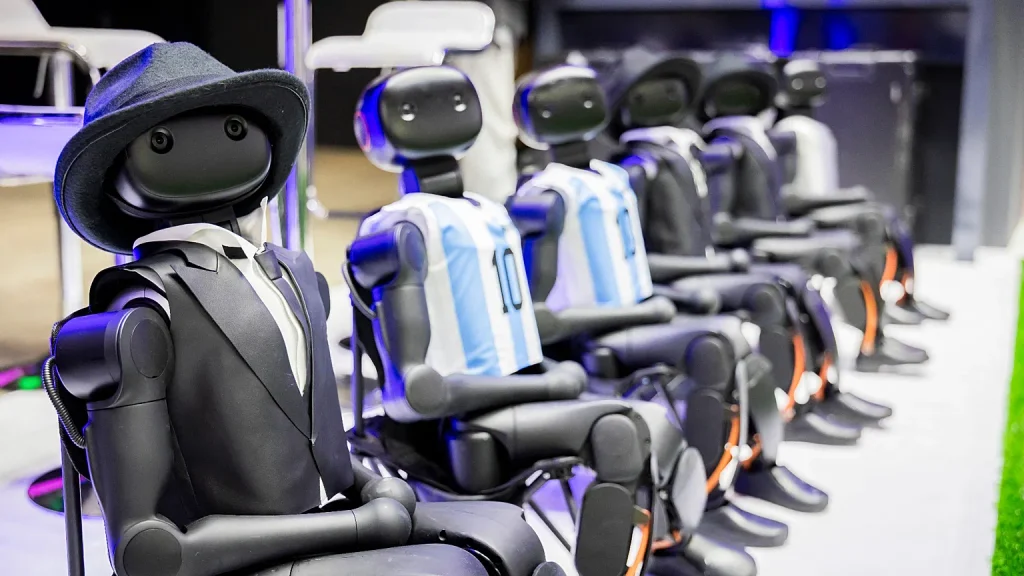
▲ Humanoid Robots at IFA 2026, Source: EuroNews
The screen has had a good run
For years, the smartphone has been the remote control for modern life.
Want to turn on the lights? Use your phone.
Want to check your health data? Use your phone.
Want to control your smart appliances? There’s an app for that.
Want to ask an AI something? Open another app.
IFA 2026 suggests the industry is beginning to question that model.
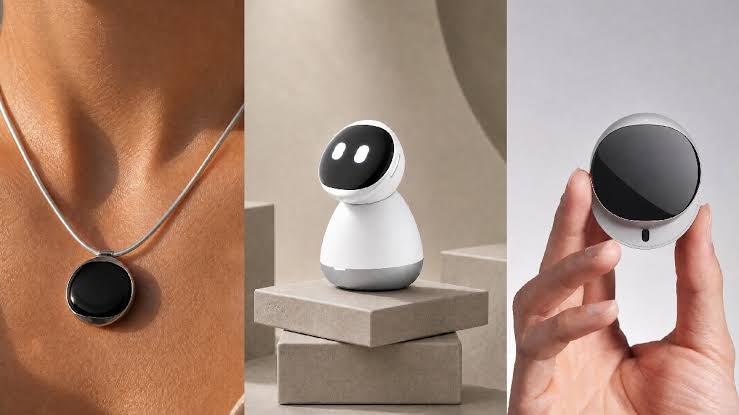
▲ Some “Screen-second” Smart Products at IFA 2026, Source: Lingverse
Smart glasses, smart rings, screenless fitness trackers and other wearable devices are being designed to deliver information through audio, haptics and other forms of ambient interaction.
The appeal is obvious: We already spend enough time looking at screens. And a device that can tell you something without making you stop what you’re doing is useful in a very different way.
Imagine getting directions through glasses while keeping your eyes on the street. Or receiving a notification through a subtle vibration instead of reaching for your phone. Or asking a device a question while your hands are busy.
None of this means screens are going away.
It means they don’t have to be involved in everything.
And that distinction could be important.
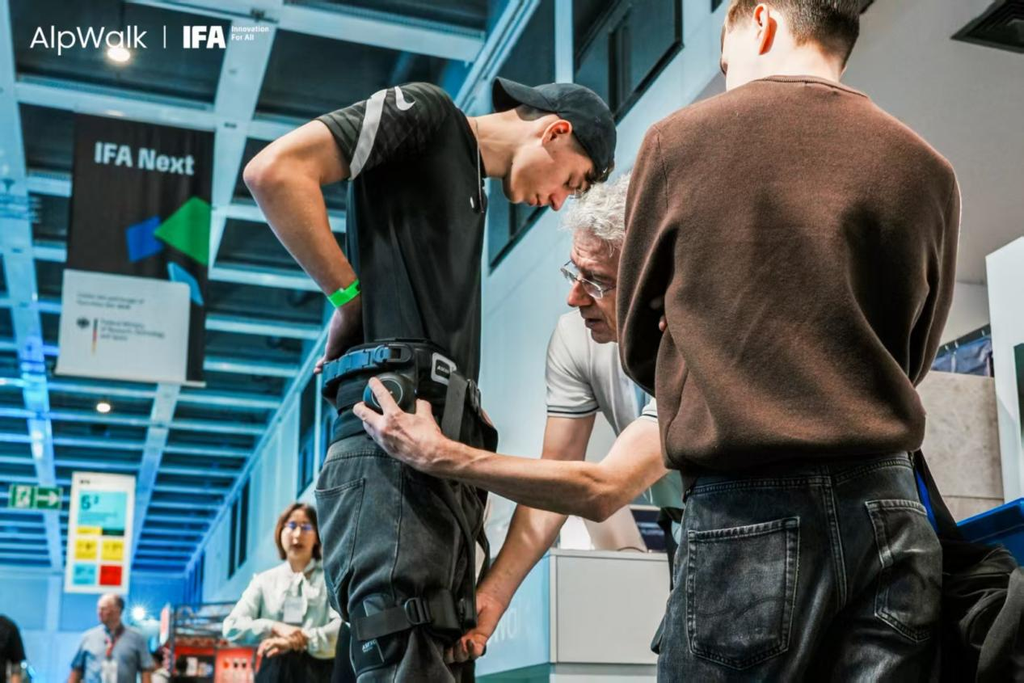
▲ AlpWalk’s Smart Wearables, Source: AlpWalk
AI is becoming something you don’t have to talk to
The first wave of consumer AI made a big deal about interaction: you opened a chatbot and typed a question.
The next wave is much less obvious. AI is increasingly becoming part of the machinery inside everyday products.
At IFA, Samsung showcased an AI ecosystem connecting TVs, appliances, Galaxy devices and wearables.
The interesting part is what happens when the AI doesn’t need a dedicated interface.
You probably don’t even need to know that AI is involved. You just expect the product to work.
That’s already how many of the technologies we take for granted operate.
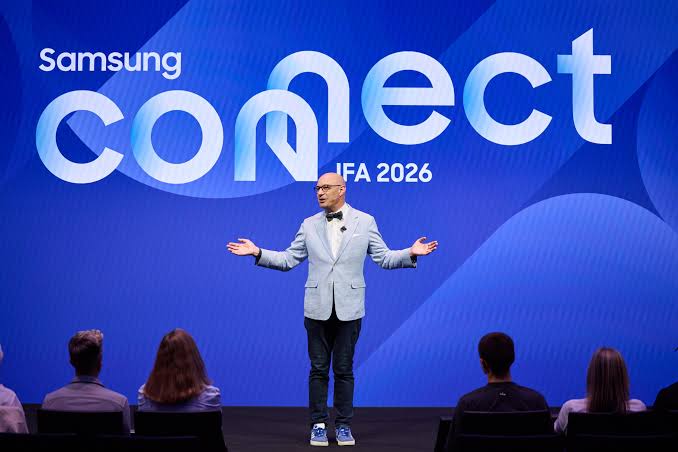
▲ Samsung announces Samsung Connects, Source: Samsung Newsroom U.K.
Robots are moving from spectacle to product
Humanoid robots were among the most obvious attention-grabbers at IFA.
Companies including Unitree, EngineAI, DEEP Robotics, AGIBOT and Dobot showcased robotic technology at the show.
It’s easy to focus on what these machines can physically do — walk, balance, manipulate objects and interact with people.
But the bigger challenge is less exciting: What are they actually useful for?
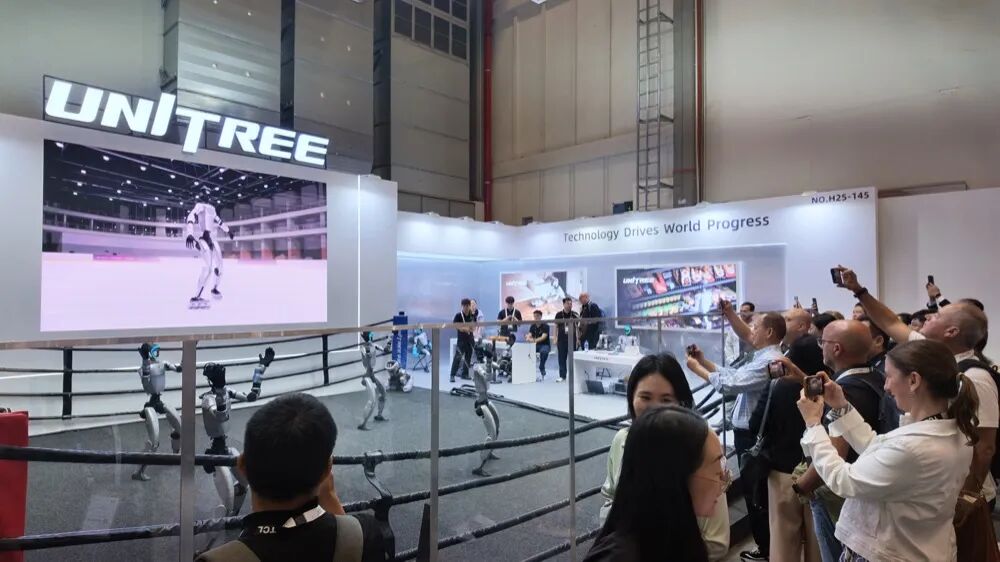
▲ Unitree at IFA 2026, Source: 36Kr
That’s the question that determines whether robotics becomes a consumer category or remains an impressive demo.
The best robot won’t necessarily be the one with the most impressive technical specifications.
It may be the one you barely have to think about.
Humanoid robots may still be some distance from becoming household staples, but the direction is clear: robotics is moving closer to everyday consumer technology.
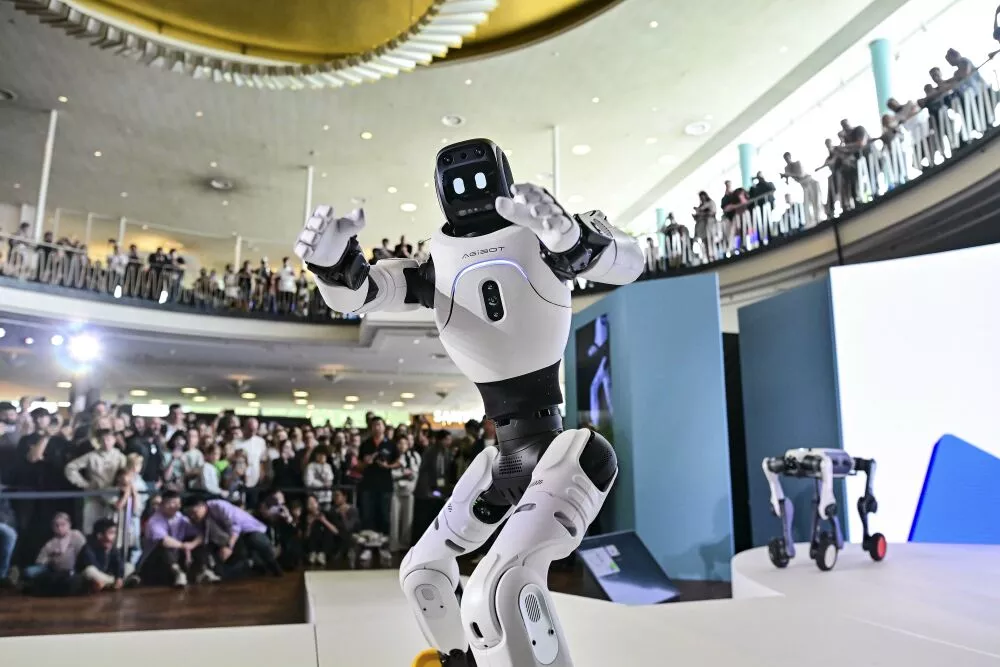
▲ Humanoid Robots at IFA 2026, Source: IFA 2026
Your home is supposed to need less managing
The smart-home industry has spent years connecting everything to everything else.
The problem is that a connected home can still be a complicated home.
Five smart devices can mean five apps, five settings menus, and five different ways of doing something that used to require one switch.
The next step is supposed to be different.
At IFA 2026, companies showed AI-powered appliances, home robots, smart beds, security products, and other devices designed to respond more intelligently to what’s happening around them.
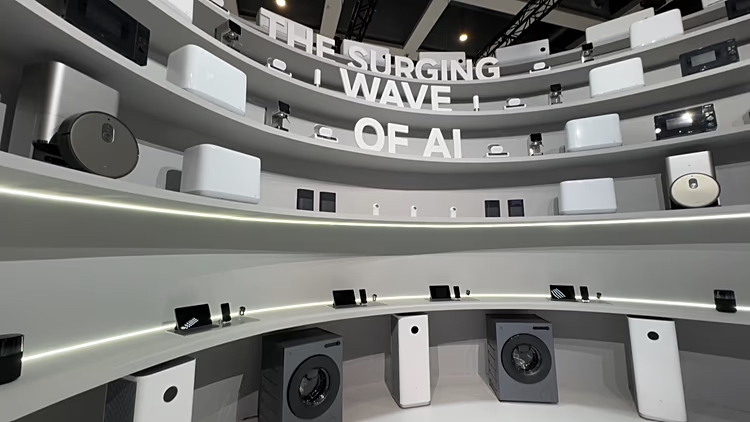
▲ Xiaomi at IFA 2026, Source: EuroNews
Even chargers are getting smarter
Not every interesting product at IFA looks like a robot. Some are hiding in your bag.
UGREEN showed magnetic charging products with liquid-cooling systems and a micro-pump, while Belkin and ESR introduced new approaches to portable charging, including slimmer power banks and retractable cables.
It may not sound as exciting as a humanoid robot.
But this is exactly where consumer electronics gets interesting — Nobody wants to think about charging. They just want their device to be charged. That’s why some of the most useful innovations can be almost invisible.
A smaller charger. A faster charger. A cable that doesn’t get tangled. A battery that lasts longer.
None of these features will make a science-fiction movie. But they can make a product noticeably better every single day.
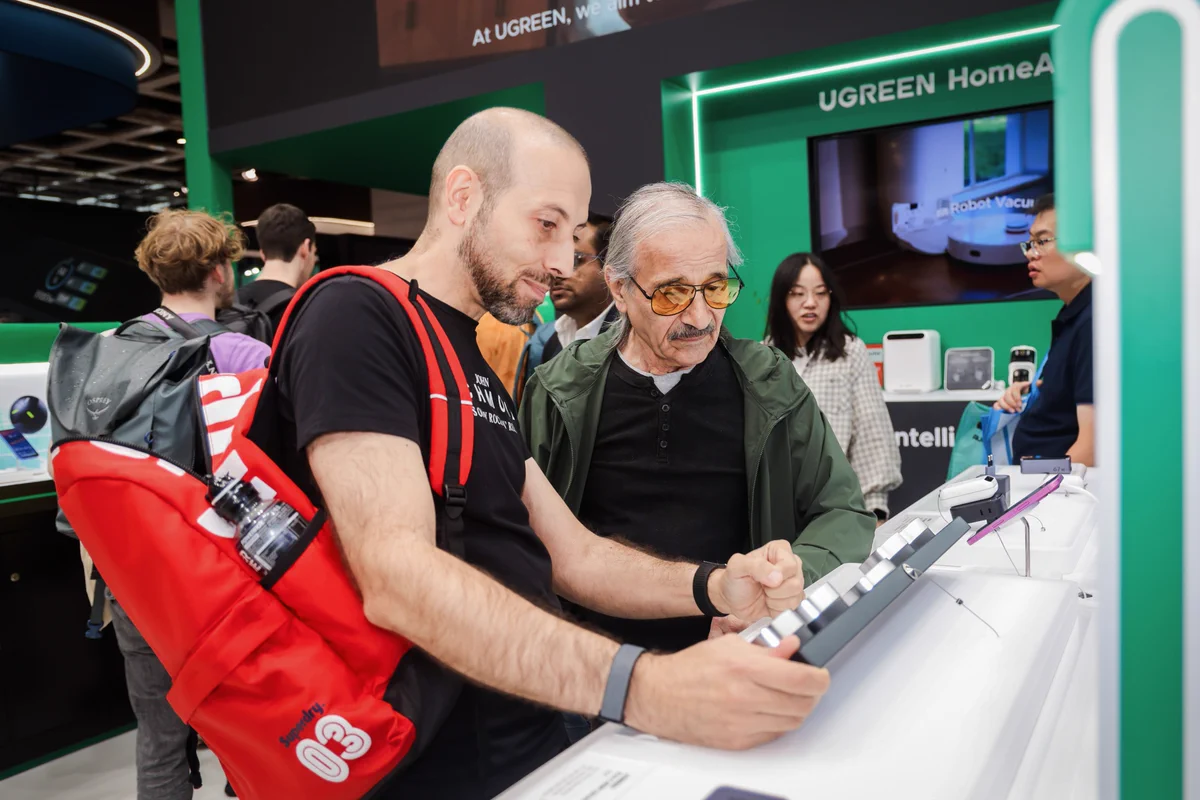
▲ Ugreen at IFA 2026, Source: Ugreen – X
What this means for the next generation of gadgets
There’s an obvious temptation in consumer electronics to sell the technology itself.
More megapixels. More AI. More sensors. More processing power. More connectivity.
But the products that actually make an impact tend to translate those specifications into something people understand.
For years, companies competed by adding features.
Now there’s a strange possibility that the better product might be the one with the simpler experience, even if the technology inside is much more complicated.