



In the cutthroat world of direct-to-consumer (DTC) hardware, most brands follow a predictable—and often unsustainable—lifecycle: launch on Kickstarter, burn through capital on Meta and TikTok ads, and struggle to scale once the ad spend plateaus on their Shopify store.
Positive Grid (PG) has taken a different path.
With an estimated annual revenue range of $8M to $20M and nearly 500,000 monthly website visitors, PG has achieved something few hardware brands can claim: a Search-Dominant, Community-Led growth model.
With a traffic breakdown showing 47.8% organic search and 42% direct traffic, Positive Grid is no longer just a hardware company; it is a masterclass in building a brand ecosystem that sells itself.
1. Traffic Source: Shifting from Paid to Intent
The most striking aspect of Positive Grid’s digital footprint is its lack of reliance on paid acquisition. While the average consumer electronics brand spends 20–30% of revenue on digital advertisement, PG’s paid traffic hovers at a mere 1.1%.
- The Power of Direct Traffic (42%): A 42% direct traffic rate in the DTC space is a signal of high brand equity. It indicates that users aren’t just discovering the brand through a fleeting ad—they are searching for “Positive Grid” or “Spark Amp” because they have been pre-sold by peer reviews, long-form content, or community discussions.
- High-Intent Flow: With a bounce rate below 40% and a session depth of over 3 pages, users arriving at the site are ready to act. They aren’t “window shopping”; they are verifying their purchase decision.
2. SEO Strategy: Owning the Guitarist’s User Journey
Positive Grid’s SEO isn’t just about keywords; it’s about mapping the customer journey from novice to pro. Their search funnel is structured across three distinct layers:
- The Brand Layer: They have achieved near-total monopoly on brand terms like “Spark Amp” and “Positive Grid.”
- The Category Layer: By ranking for terms like “smart guitar amp” and “modeling amp,” they capture users who know they have a problem (need a better sound) but haven’t chosen a solution yet.
- The Informational/Comparison Layer: This is where they win the long game. By ranking for terms like “Spark vs. Katana” or “best amp for apartment,” PG enters the conversation exactly when a customer is performing their “due diligence.”
3. Community Anchor: Why Reddit Beats Influencers
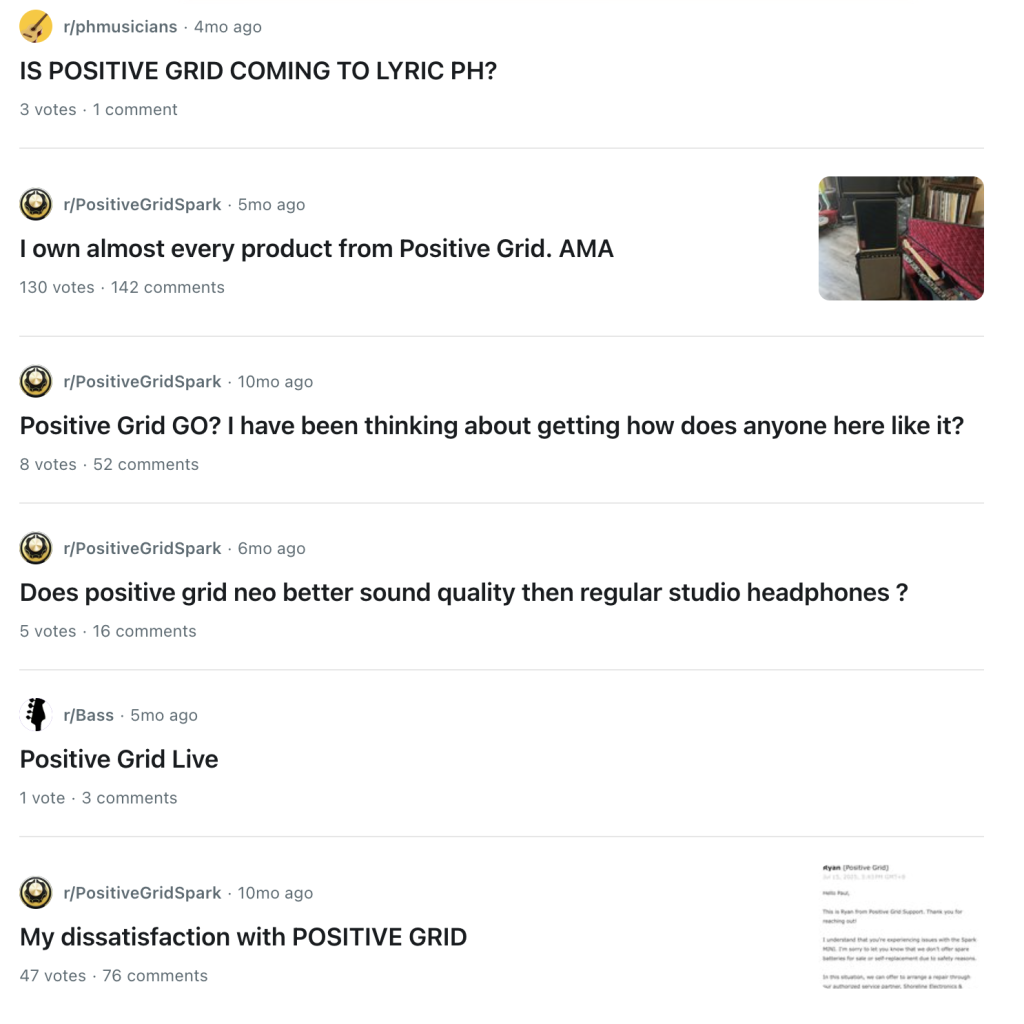
Unlike brands that pour their budget into Instagram aesthetics, Positive Grid has leaned heavily into Reddit (41.83% of social traffic).
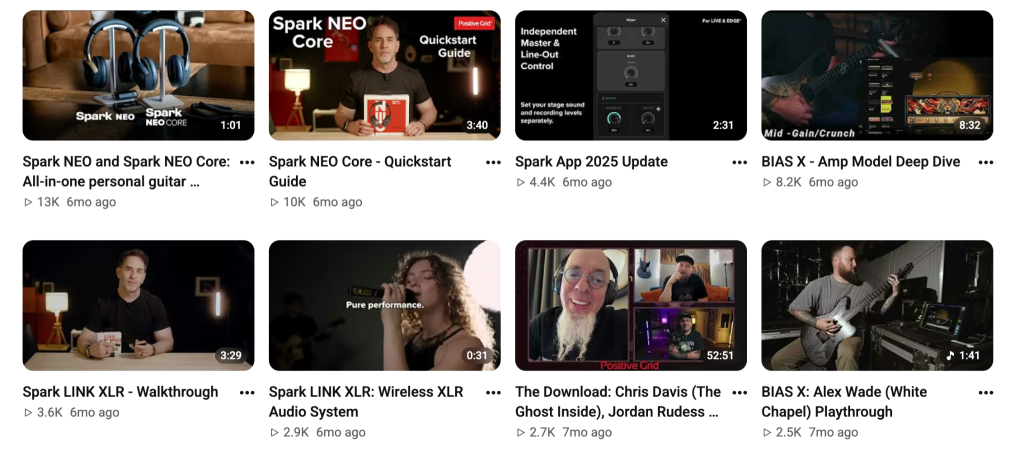
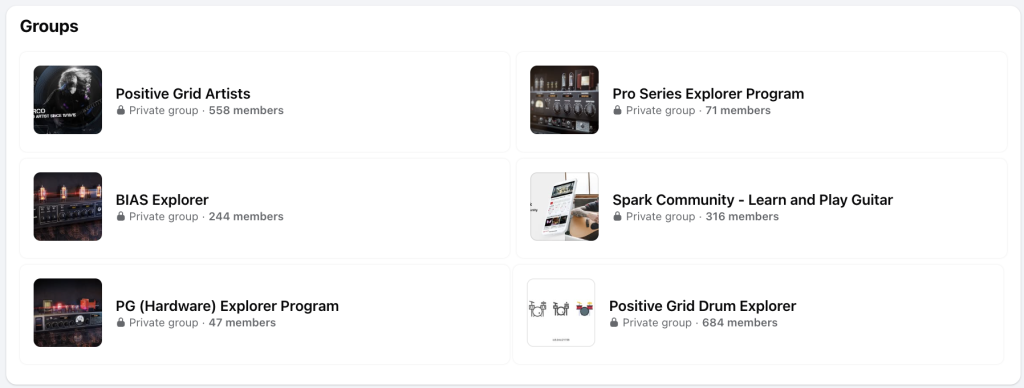
In the world of guitar gear, YouTube videos are for “discovery,” but Reddit is for “truth.” By fostering an active community where users debate tones, firmware updates, and hardware reliability, PG has built a “trust layer.”When a prospective buyer moves from a slick YouTube demo to a Reddit search to see if the product actually works, they find a massive community validating the ecosystem. This transparency, even with its inherent risks, is what builds the brand loyalty that drives their 42% direct traffic.
4. Website Design: Selling the Experience, Not the Specs
If you land on a Positive Grid product page, you won’t see an overwhelming list of technical specs above the fold. Instead, you see a masterclass in consumer electronics marketing:
- Result-First Copy: The site leads with “Plug in. Get loud.” It sells the lifestyle and the simplicity of modern guitar practice.
- Cognitive Load Reduction: By framing hardware in terms of the “Spark Ecosystem” and “ToneCloud,” they emphasize how the product integrates into the user’s life, rather than just acting as a standalone box of wires.
- Ecosystem Lock-in: The focus on app integration and cloud-based presets (ToneCloud) creates a “sticky” user experience. Once a user invests in the PG ecosystem, the switching costs become psychological and social, not just financial.

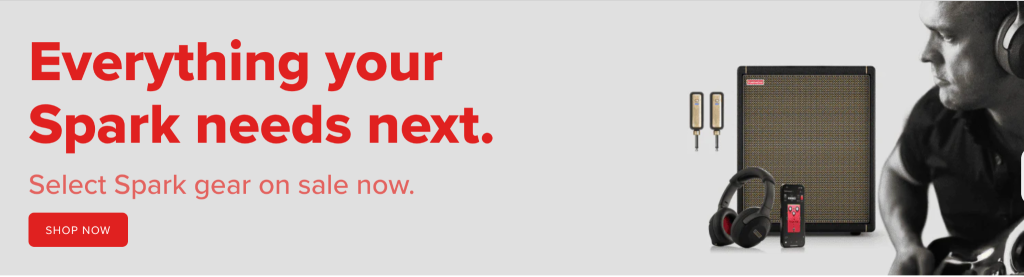
5. What Other Brands Can Learn
Positive Grid is in a “maturity phase.” They have largely captured the core “bedroom guitarist” market, and as they scale further, they face the classic challenges of a mature brand:
- The UGC Gap: While their official content is polished, there is a clear opportunity to lean more into raw, user-generated content to humanize the brand further.
- Growth Beyond the Core: To break out of the platform plateau, they must continue to leverage AI-native features and new product categories (like the Spark LIVE) to bring new segments into the fold.
The Takeaway
Positive Grid proves that community, SEO-driven education, and a cohesive digital ecosystem form a much stronger moat than paid advertising ever could. For DTC brands in the hardware space, the lesson is clear: Stop buying attention and start building a destination.
Data based on third-party estimates for early 2026. This analysis highlights operational strategy rather than official financial disclosure*.