The 2026 FIFA World Cup is officially over. But the game wasn’t just a tournament for football’s biggest stars. It was also one of the year’s biggest marketing stages.
From blockbuster brand films to AI-powered fan experiences, brands took very different approaches to capturing the attention of a global audience. Some leaned into nostalgia. Others embraced technology. A few found clever ways to work around FIFA’s strict commercial rules.
Among the campaigns that stood out, four brands took distinctly different creative directions that caught Naturality Digital‘s eye: Nike, Adidas, OpenAI, and Heinz.
1. NIKE: RIP The Script
▲ Image source: Nike – YouTube Channel
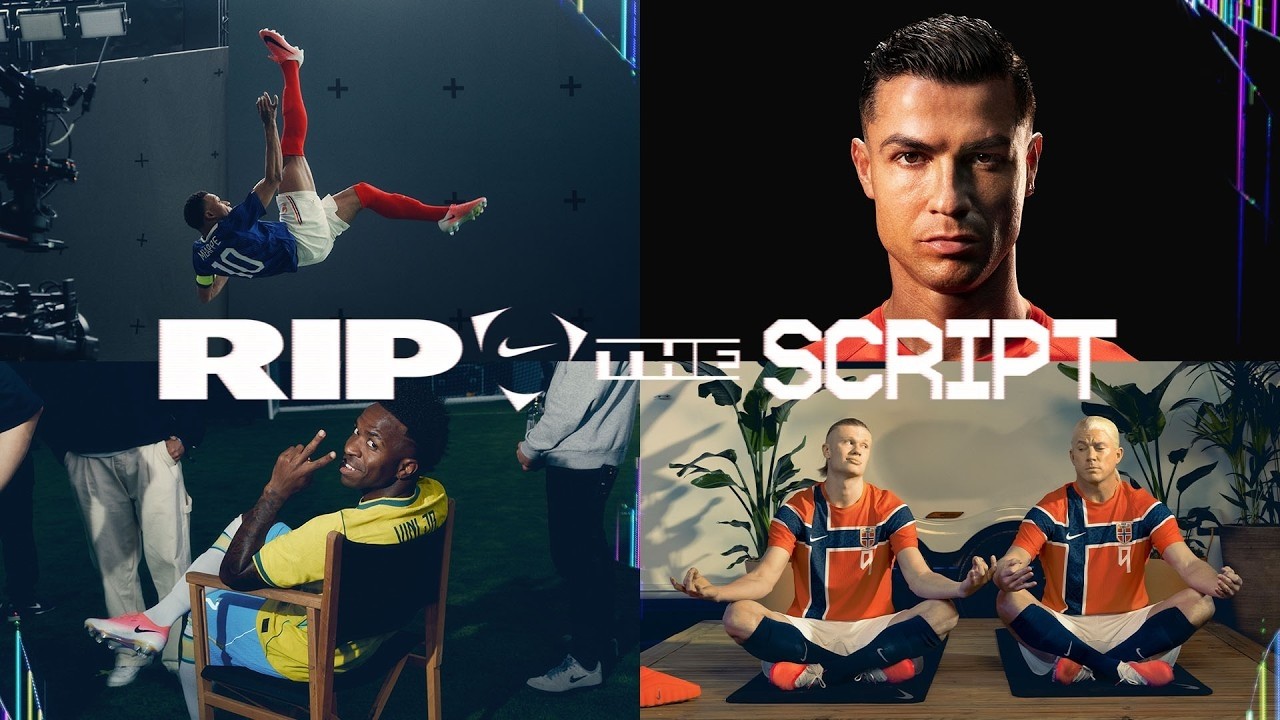
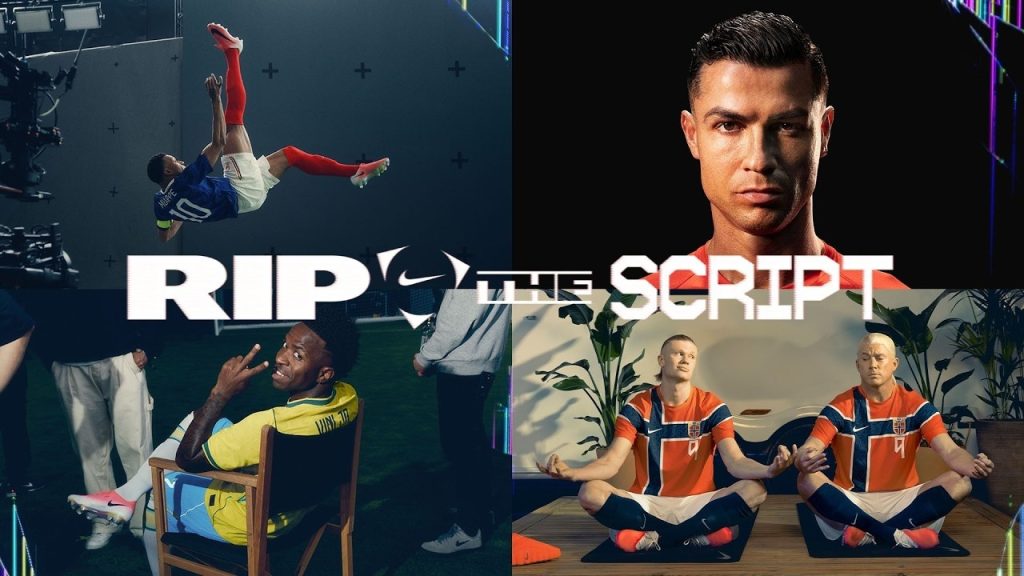
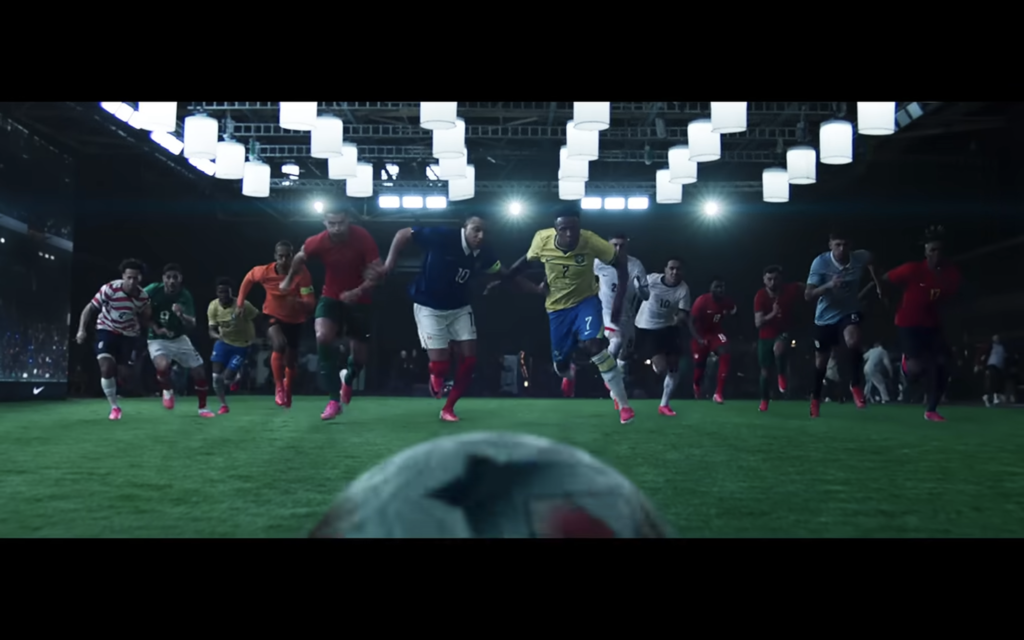
Think this World Cup was already chaotic? Nike looked at it and said, “Hold my boots.” If there was one campaign that captured the unpredictability of football, it was Nike’s RIP THE SCRIPT.
The six-minute film brings together more than 30 athletes—including Cristiano Ronaldo, Kylian Mbappé, Erling Haaland and Vinícius Jr.—alongside celebrities such as LISA and Kim Kardashian. On paper, it sounds like another star-studded brand film. In reality, it’s anything but.
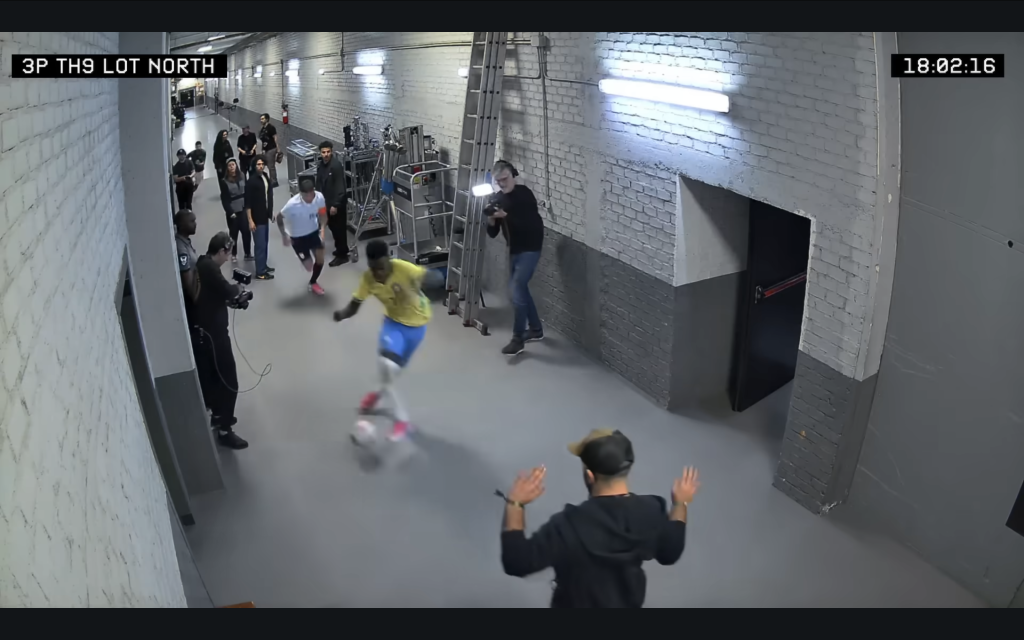
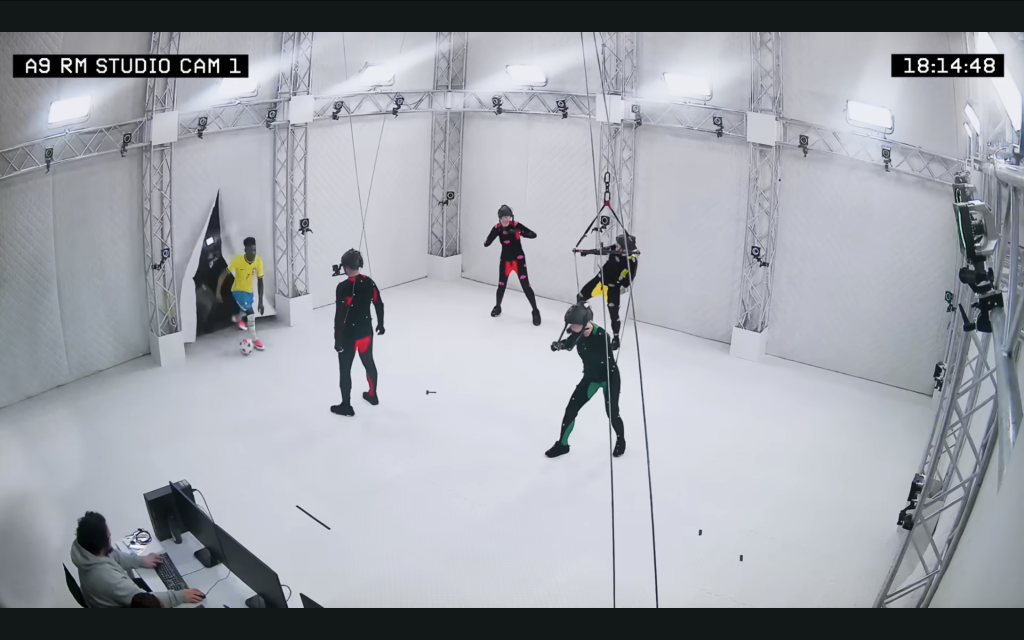
Rather than placing athletes in carefully choreographed hero shots, Nike imagines what would happen if the players simply refused to follow the production.
▲ Image source: Nike – YouTube Channel
A football match breaks out inside a television studio, spilling from newsrooms to talk shows, office corridors and elevators. Every new setting becomes another pitch, reinforcing the campaign’s central idea: football doesn’t follow a script, and neither should the people who play it.
Even the title works on two levels. “RIP” immediately evokes “R.I.P.,” but here it means something entirely different—rip the script apart. It’s a simple piece of wordplay that perfectly reinforces the creative idea.
The campaign succeeds because every element—from the narrative structure to the choice of locations—supports the same message. Instead of celebrating football’s biggest stars, Nike celebrates the unpredictability that makes the sport compelling in the first place.
▲ Image source: Nike – YouTube Channel
2. Adidas: Back to the Streets
▲ Image source: Adidas – YouTube Channel
While Nike embraced spectacle, Adidas looked in the opposite direction.
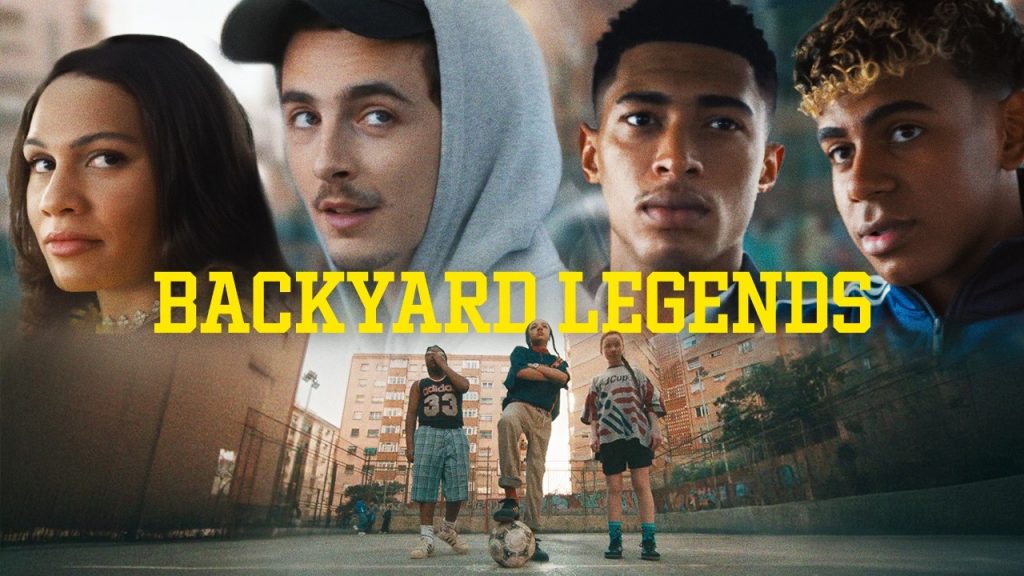
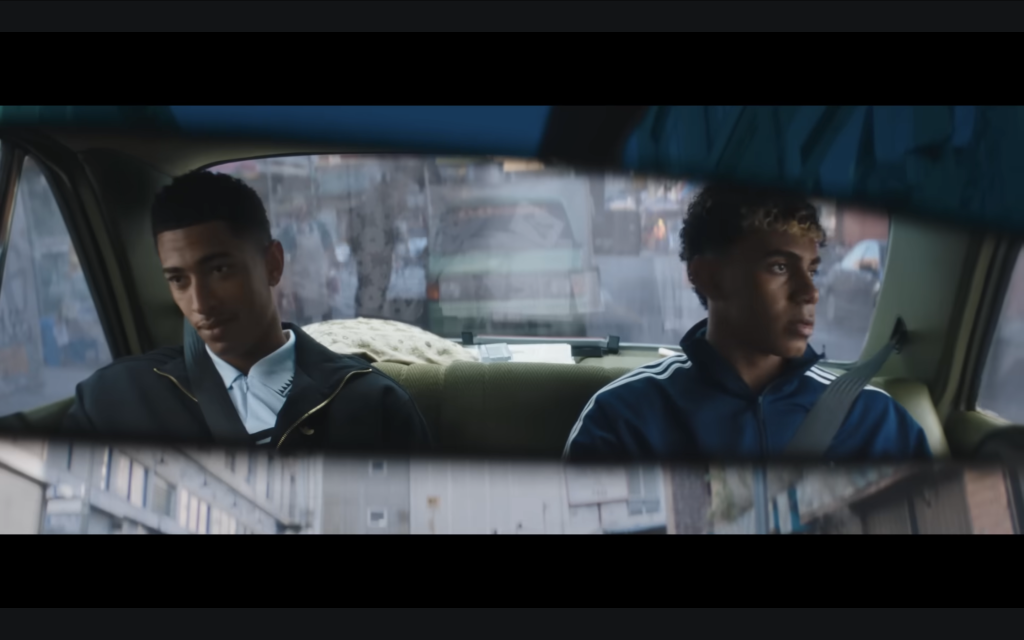
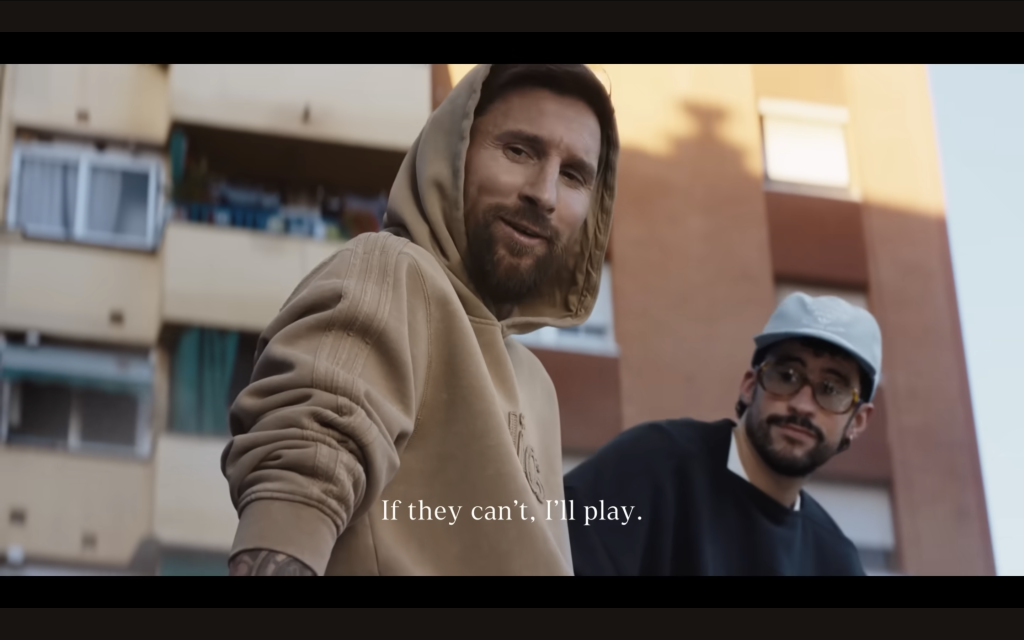
Its World Cup campaign shifts the focus away from stadiums and trophies, returning instead to the places where football culture is born: neighborhood courts, street cages and local pitches.
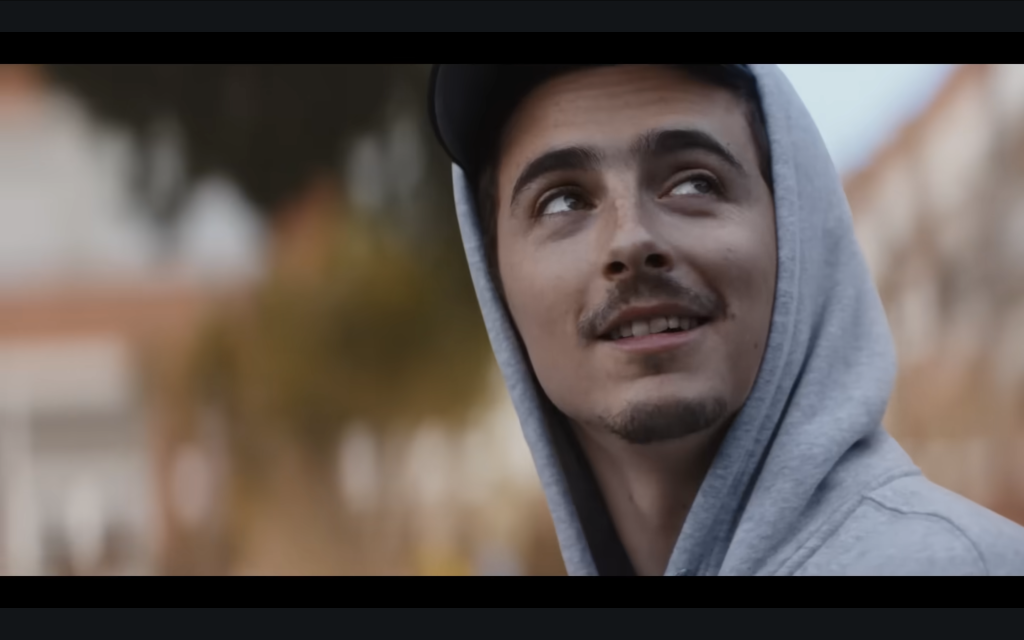
The film stars Timothée Chalamet alongside Lionel Messi, Jude Bellingham and breakout sensation Lamine Yamal. Through visual effects, it also reintroduces legends such as Zinedine Zidane and David Beckham in their younger years, creating a bridge between generations of football.
▲ Image source: Adidas – YouTube Channel
It’s a campaign built on nostalgia rather than surprise.
Instead of asking what football looks like at its biggest moment, Adidas asks where football begins.
Creatively, it’s beautifully executed and unmistakably on-brand. However, compared with Nike’s highly shareable concept, it generated considerably less conversation online.
As of writing, Nike’s campaign has surpassed 80 million views on YouTube, while Adidas’ official film has reached approximately 8.6 million.
3. OpenAI: Want a World Cup haircut? Try Messi’s Prompt
Adidas had Messi on screen; OpenAI found a way to make him interactive.
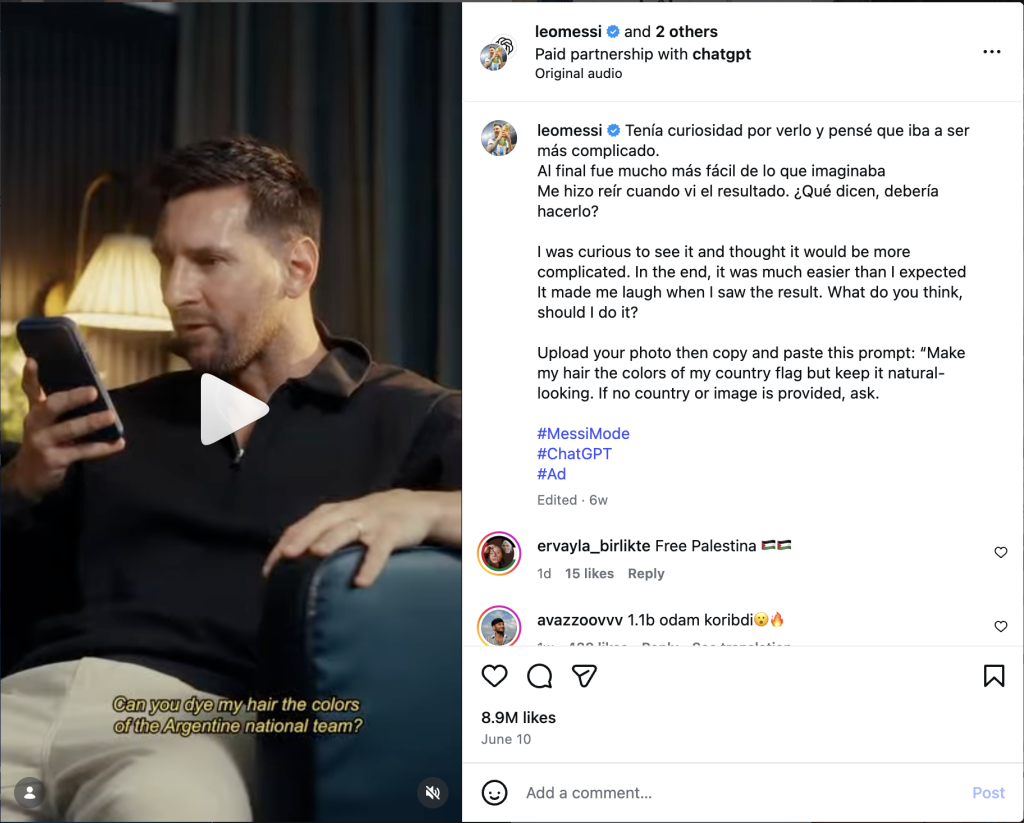
To launch its largest consumer campaign to date, OpenAI partnered with Lionel Messi to introduce #MessiMode, encouraging football fans to experiment with ChatGPT’s image generation capabilities.
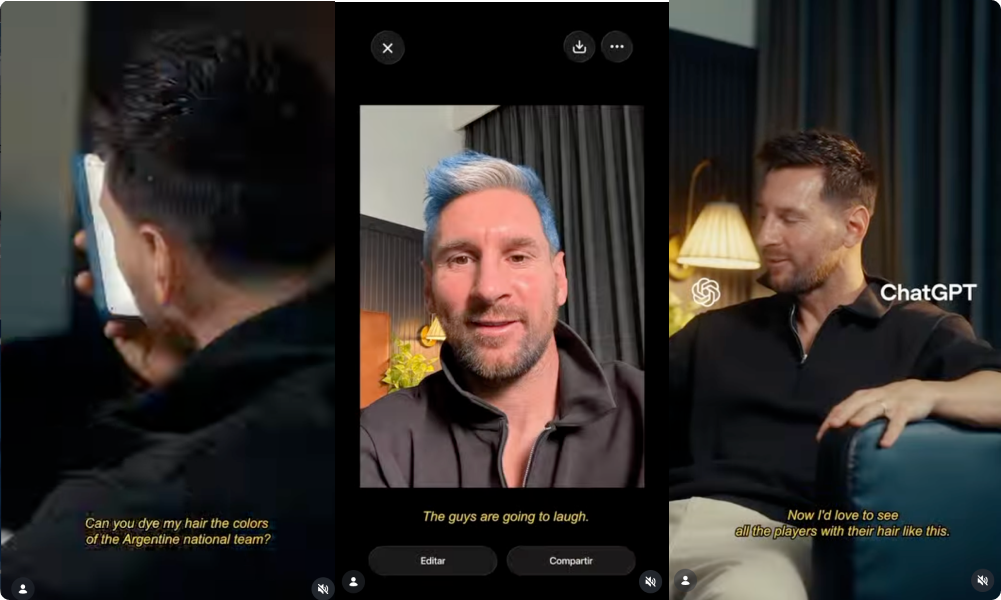
The campaign opened with Messi transforming his hair into Argentina’s iconic blue-and-white colors using ChatGPT. Rather than keeping the effect exclusive to its ambassador, OpenAI released the exact prompt publicly, allowing anyone to generate their own national team hairstyle with a single sentence.
▲ Image source: OpenAI Instagram
It was an elegant demonstration of AI.
Instead of explaining what ChatGPT could do, OpenAI invited millions of football fans to experience it for themselves.
The campaign also extended beyond image generation, positioning ChatGPT as a companion throughout the tournament—from checking match schedules and squad information to predicting results and planning watch parties.
Rather than presenting AI as advanced technology, OpenAI presented it as a useful, playful tool that naturally fit into the World Cup experience.
▲ Image source: OpenAI Instagram
3. Heinz: When FIFA censors your logo…
Turn the censorship into the campaign!
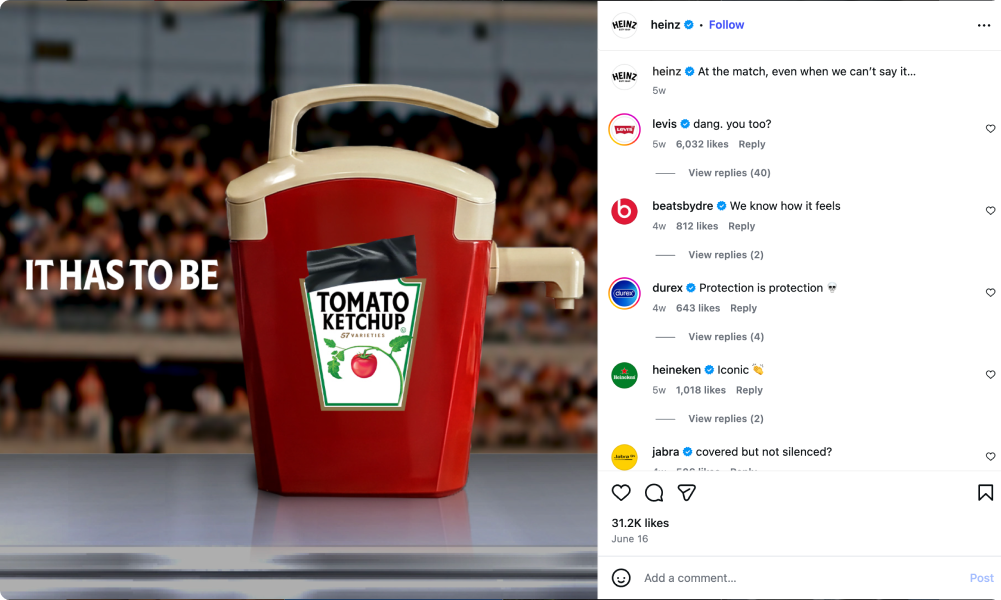
One of FIFA’s lesser-known commercial policies is the Clean Stadium rule.
During the World Cup, only official sponsors are permitted to display branding inside or around stadiums. Logos belonging to non-sponsors are routinely removed, covered, or obscured.
For most brands, it’s simply an unavoidable limitation. For Heinz, it became the creative brief.
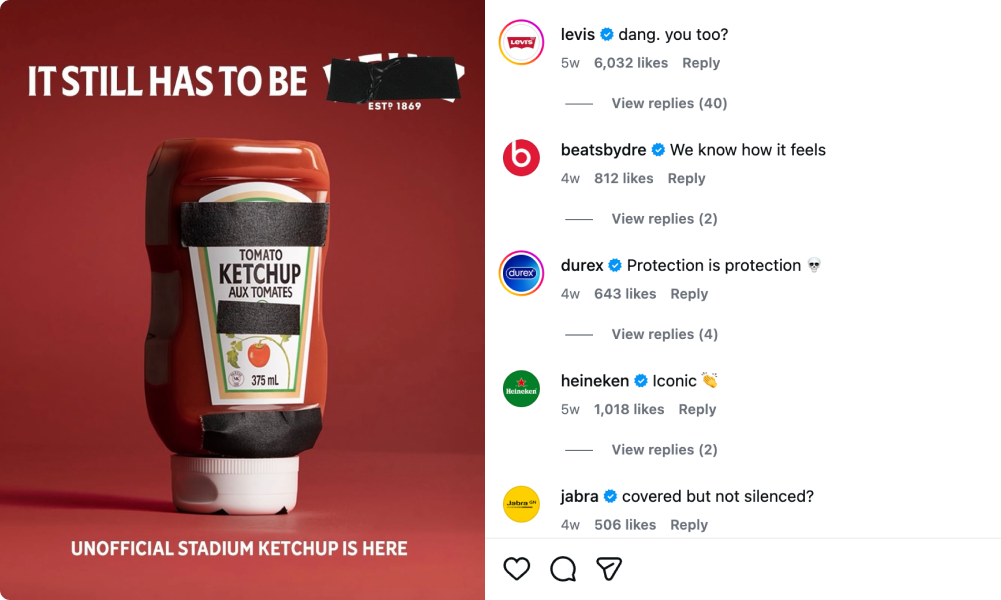
Heinz launched a limited-edition design inspired by the censored appearance of its own logo, transforming an enforced restriction into the visual identity of the campaign.
▲ Image source: Heinz Instagram
On social media, Heinz leaned into the joke rather than complain about the policy, sparking conversations about something most viewers had never even noticed before.
Other affected brands, including Levi’s and BeatsbyDre, soon joined the discussion, turning FIFA’s commercial restrictions into an unexpected marketing moment. It’s a reminder that not every successful campaign begins with a media buy.
Sometimes the most effective creative idea starts with a limitation.