



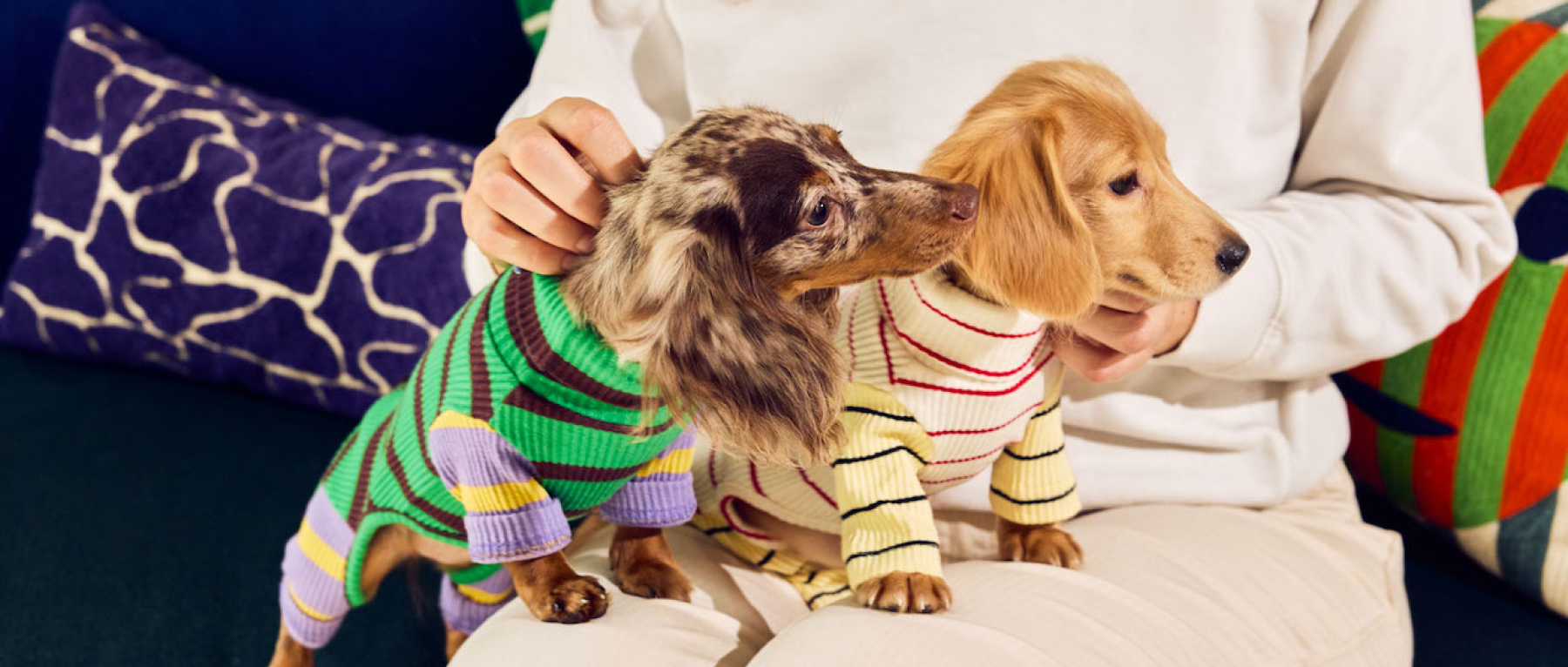
At first glance, Little Beast looks like a dog apparel brand. And technically, that is true. But defining it simply as a brand that sells dog clothes misses what makes the business interesting.
Little Beast’s Shopify store is estimated to generate $50K–$100K in monthly revenue, with an AOV of approximately $40–$75. Its performance is also estimated to be around 15 percentage points stronger than other Dog Apparel brands.
More importantly, Little Beast is not a brand built purely on paid acquisition. It has already developed meaningful brand demand, organic visibility, and product appeal.
So the more interesting question is:
Why is dog apparel starting to behave more like fashion—and less like a traditional pet product?
1. It’s Not Just Apparel. It’s Identity.
▲ Image source: Design Milk
Traditional pet products tend to answer one question: “What does this product do?”
Little Beast is answering a different one: “What kind of lifestyle does this product belong to?”
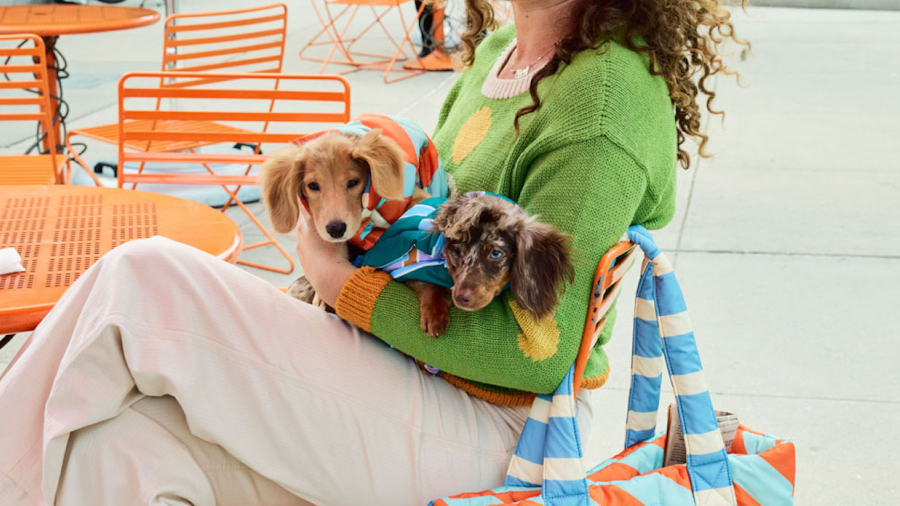
Little Beast defines itself as a lifestyle brand built around pets and their owners. That positioning is not simply a marketing tagline; it is reflected in the brand’s product philosophy.
The founders identified a problem with the existing pet market: many products felt uninspiring, low-quality, and overly kitschy. Instead of competing on lower prices or more functionality, Little Beast approached pet products through design and aesthetics.
That decision fundamentally changes the brand’s value proposition.
The difference may seem subtle, but it is exactly what creates brand premium. Functional products justify their price through utility. Lifestyle products can justify their price through aesthetics, identity, emotion, and cultural relevance.
2. What Makes a $237 Dog Carrier Work?
▲ Image source: Littlebeast.co Official Website
That is why Little Beast is not simply selling products for dogs. It is selling a particular way of living with dogs. And that is where the premium comes from.
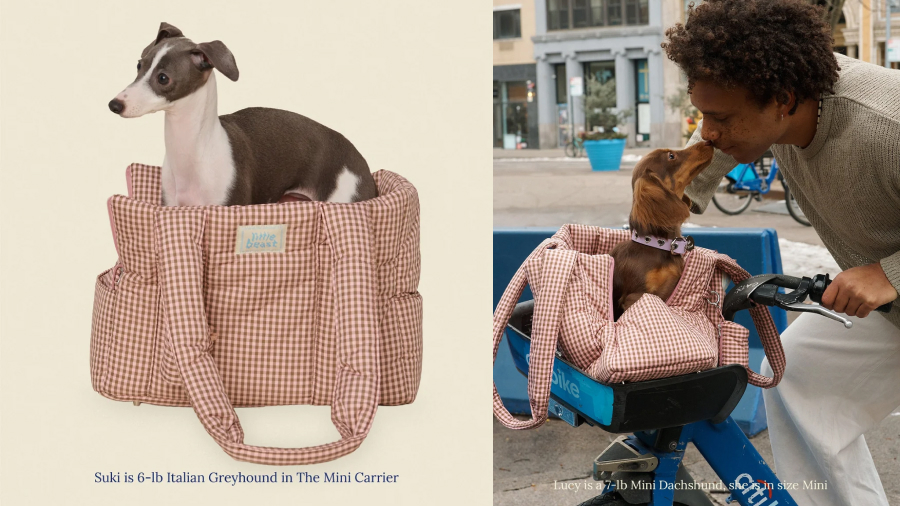
A $237 dog carrier sounds expensive if you compare it with a conventional pet carrier. A consumer can easily find cheaper alternatives and ask: What makes this one worth several times more?
The answer changes when the product is evaluated as a lifestyle product rather than a transportation product.
A conventional dog carrier solves a functional problem: How do I get my dog from A to B? Little Beast is solving a broader lifestyle problem: How can my dog become part of my everyday life?
Commuting through the city. Going to a coffee shop. Shopping. Weekend trips. Traveling.
In these situations, the product is not simply transporting a dog. It is enabling a particular lifestyle with a dog.
Little Beast is not necessarily selling a more expensive version of the same product. It is changing what the product represents.
3. From “What My Dog Needs” to “What I Want”

▲ Image source: Little Beast – Pinterest
Does a dog really need a tenth outfit? Probably not. People either. But that is exactly why Pet Apparel has the potential to behave like fashion.
Once a product carries aesthetic, emotional, cultural, or identity value, “need” is no longer the only reason to buy.
The same dynamic is emerging in Pet Apparel.
A dog jacket purchased for warmth or protection is primarily a functional product. But when someone buys it because “the color is perfect,” “this looks like my style,” or “this collaboration would look amazing on my dog,” the product becomes something more.
It becomes an identity product. So the brand does not need to convince consumers that their dog needs another piece of clothing.
It only needs to make them think: “I want my puppy to wear this.”
And once purchasing moves from Need to Want, the economics of the category begin to change.
4. Collaborations Are More Than New Products
▲ Image source: Littlebeast.co Official Website
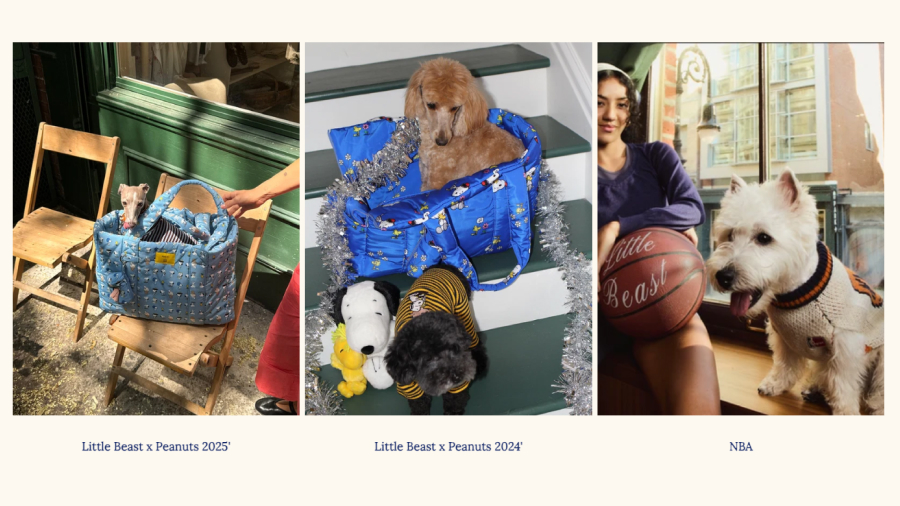
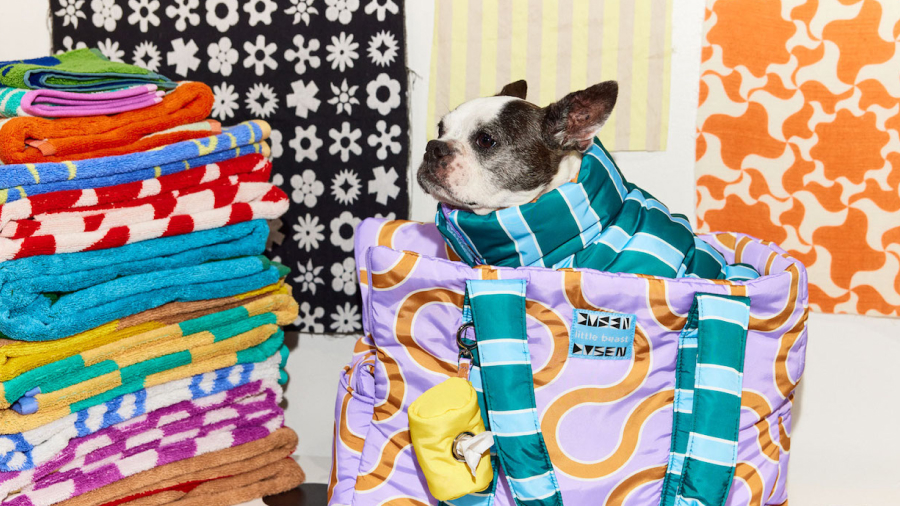
Little Beast has developed a clear collaboration strategy, working with names including NBA, Peanuts, Sandy Liang, Lisa Says Gah!, Rachel Antonoff, and Dusen Dusen.
On the surface, these collaborations create new products. But commercially, they do much more than expand the catalog.
A designer brings its aesthetic and cultural relevance into the pet category. An IP brings its existing audience into Little Beast. And Little Beast brings pet products into fashion, design, and pop culture.
It is not simply about adding another SKU. It is about using the product itself to build brand relevance and reach new customers.
This is also one of the reasons Little Beast can move beyond the narrow definition of a Dog Apparel Brand.
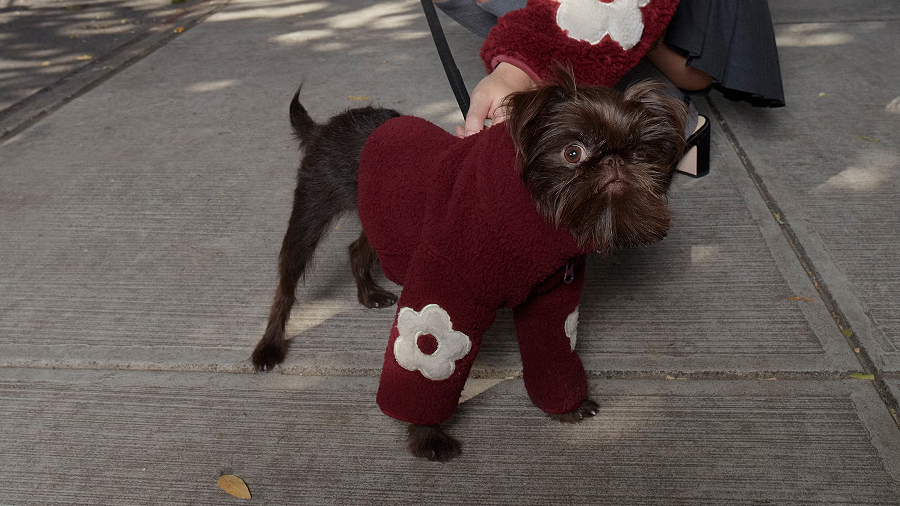
5. From SKU to Wardrobe
▲ Image source: Little Beast – Instagram
With more than 150 products, Little Beast’s next challenge is probably not adding even more SKUs. It is figuring out how those products work together.
If a customer buys a single dog shirt, that is one transaction.
But if the brand turns that shirt into an Everyday Look, pairing it with a collar and leash, the customer is no longer simply buying a shirt. They are buying a complete look.
The same logic can apply to a carrier.
Instead of selling a carrier as a standalone product, Little Beast could build a City Dog Setup around it, combining the carrier with collars, leashes, and accessories.
This represents an important shift in e-commerce: From selling products to selling use cases.
For a Pet Lifestyle Brand, creating more lifestyle occasions may be more valuable than simply creating more SKUs.
6. Pet Apparel Has Already Entered Its Next Phase
▲ Image source: Design Milk
The most interesting thing about Little Beast is not whether it is currently generating $50K or $100K in monthly revenue.
It is that the brand may be sitting at the intersection of two increasingly connected categories: Pet and Lifestyle.
Pets have long been treated as family members. This relationship is increasingly being expressed through consumer choices, lifestyle, aesthetics, and identity, particularly among younger consumers.
That is why Pet Apparel can connect with categories far beyond traditional pet retail: Fashion, Travel, City Life, Culture, and Social Identity.
The next step of pet apparel is not simply to sell more clothes. It is to create more experiences around the ways people want to live with their pets—and the identities they want those choices to express.