



This summer created a rare opportunity for eCommerce brands. Amazon Prime Day and the FIFA World Cup overlapped, driving online traffic to record levels and advertising costs right along with it.
For many cross-border brands, rising CPMs turned customer acquisition into an expensive battle.
But instead of competing head-on with Amazon’s discounts or pouring more budget into paid ads, brands like Anker, Laifen, and Innovv took a different approach. They used their Shopify DTC stores to capture demand on their own terms.
By analyzing these three campaigns, we’ve identified three standout strategies that any DTC brand can learn from.
1. Anker: Selling Solutions, Not Products
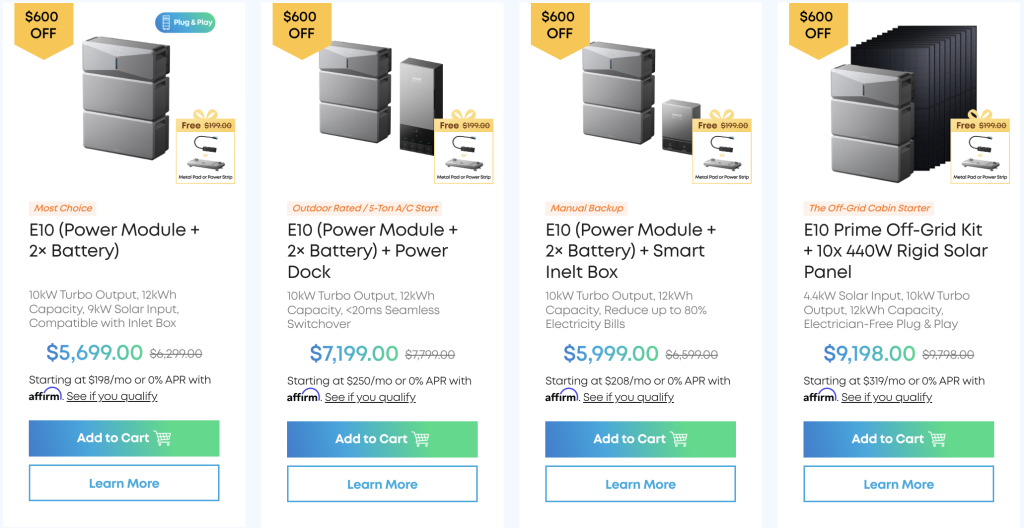
Rather than competing on low-ticket accessories during Prime Day, Anker used the event to spotlight its flagship home energy storage system, SOLIX E10.
▲ Image source: Anker Website
Instead of presenting a single product page, Anker organized the product into four solution-oriented bundles, each designed around a specific household need.
These bundles addressed four distinct use cases:
- Basic energy expansion
- High-power home backup
- Maximum energy independence
- Plug-and-play installation
Instead of asking customers to compare technical specifications, Anker helped shoppers immediately identify which solution matched their lifestyle.
▲ Image source: Anker Website
For a product with a high purchase price, reducing purchase anxiety was just as important as showcasing features.
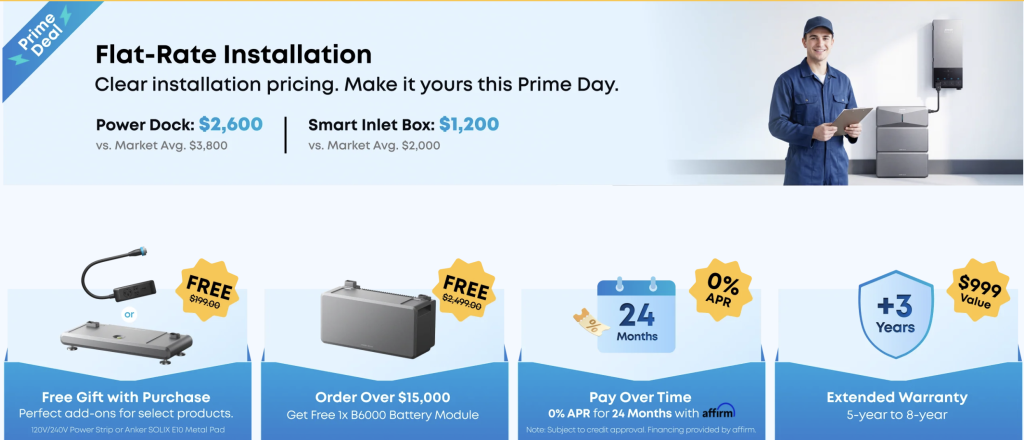
Before visitors even reached the bundle options, Anker prominently displayed 24-month interest-free financing, lowering the perceived barrier to purchase.
The company also offered professional installation services directly through its Shopify store, including fixed-price nationwide installation packages.
This is something marketplaces like Amazon struggle to deliver. By combining online sales with offline installation services, Anker created a complete customer journey while making a complex purchase feel significantly easier.
The takeaway is simple: when selling premium products, customers aren’t buying specifications—they’re buying confidence and convenience.
2. Laifen: Building a Price Ladder That Naturally Increases AOV
In the highly competitive personal care market, Laifen’s Prime Day campaign revolved around one clear message: Save Up to 40%.
The discount grabbed attention, but the real strategy was hidden in its pricing architecture.

▲ Image source: Laifen Website
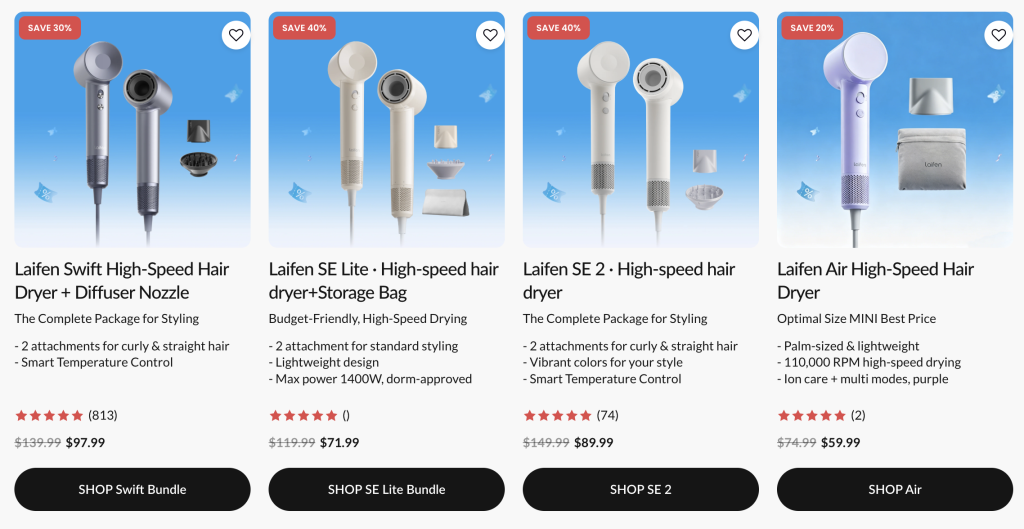
Rather than offering one deeply discounted hero product, Laifen created a carefully designed pricing ladder that encouraged customers to keep upgrading.
The journey looked like this:
- $59.99 – Air
An entry-level product designed to attract price-sensitive shoppers. - $71.99 – SE Lite Bundle
For just $12 more, customers received a more powerful model plus additional accessories. - $89.99 – SE 2
Positioned as the styling-focused upgrade for users seeking better design and performance. - $97.99 – Swift Bundle
For only another $8, shoppers could move into Laifen’s flagship product line.
Each upgrade required only a small additional investment, making the next option feel increasingly worthwhile.
▲ Image source: Laifen Website
Instead of pushing customers toward expensive purchases, Laifen reduced the psychological friction between each price point.
This is a classic example of using incremental pricing to increase average order value while allowing customers to feel they made the decision themselves.
3. Innovv: Turning Prime Day Into Its Own Sales Event
Unlike Anker and Laifen, Innovv took a completely different approach.
Rather than promoting “Prime Day” across its Shopify store, the motorcycle camera brand ignored Amazon’s branding altogether. Instead, it launched its own Member Day Deals during the exact same shopping period.
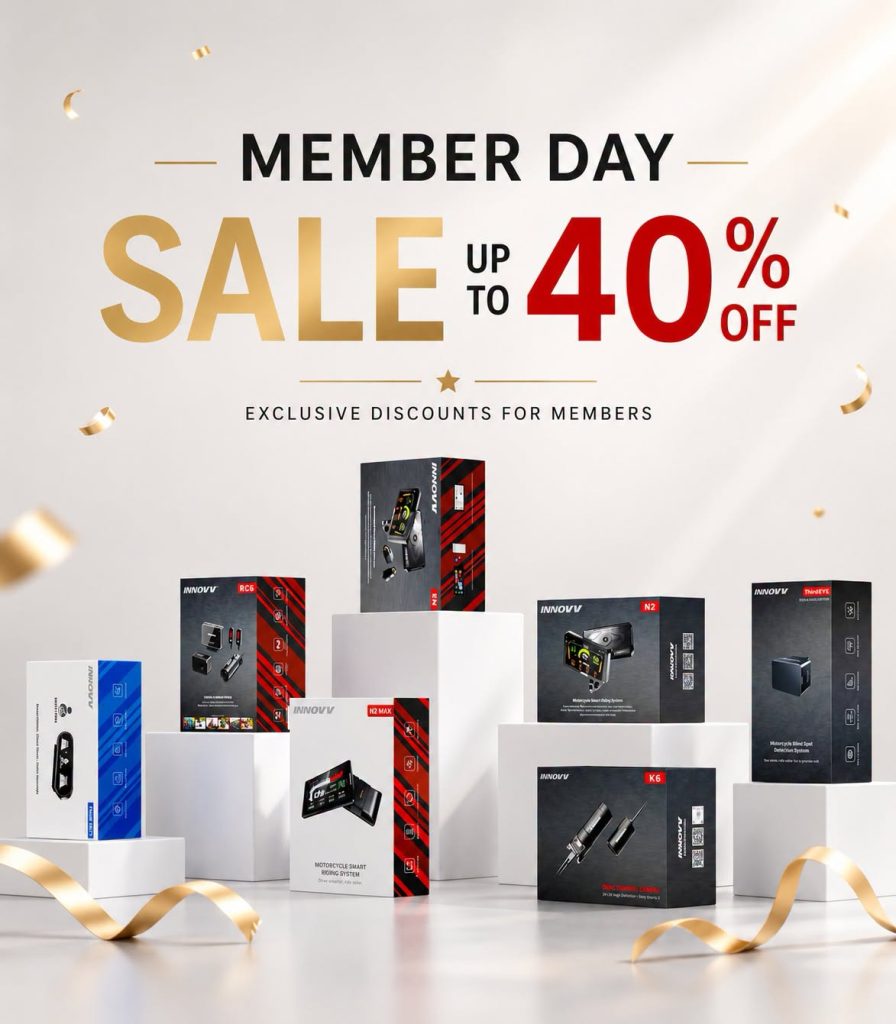
▲ Image source: Innovv Fabebook
The timing wasn’t accidental.
Innovv recognized that consumers were already in a buying mindset thanks to Prime Day. Instead of borrowing Amazon’s brand equity, it leveraged the increased purchasing intent while strengthening its own community.
Its campaign focused on member-exclusive discounts of up to 40% off essential riding gear and accessories, reinforcing the value of joining the brand’s ecosystem rather than shopping through a marketplace.
This approach achieved two important goals:
- It maintained the brand’s independence.
- It rewarded loyal customers without relying on Amazon’s promotional identity.
For niche brands with strong communities, owning the relationship with customers can often be more valuable than participating directly in a marketplace event.
Key Takeaways for Shopify DTC Brands
Looking across these three campaigns, several broader trends emerge.
1. Sell Outcomes, Not Specifications
Anker demonstrates that premium customers don’t buy technical specifications; they buy solutions to real-life problems. Organizing products around customer scenarios rather than feature lists makes complex purchasing decisions much easier.
2. Design Pricing to Encourage Upgrades
Laifen’s campaign shows that strategic pricing often matters more than deeper discounts. Small, carefully planned price gaps between products can naturally guide customers toward higher-value purchases while increasing average order value.
3. Leverage Buying Momentum—Without Depending on Marketplaces
Innovv proves that brands don’t need to build every campaign around Amazon’s promotional calendar. Major shopping events create a temporary surge in consumer spending intent. Smart DTC brands can capture that demand through their own campaigns, strengthen customer relationships, and keep greater control over both branding and margins.
Final Thoughts
Prime Day isn’t just an opportunity to sell on Amazon. The most successful DTC brands don’t simply copy marketplace promotions. They use major shopping events to strengthen their own websites, increase average order value, and deepen customer loyalty.
If you’re looking to prepare your Shopify store for the next major shopping season, now is the time to build a strategy that grows your own brand—not just your marketplace sales. At Naturality Digital, we help brands turn high-traffic moments into long-term DTC growth.