


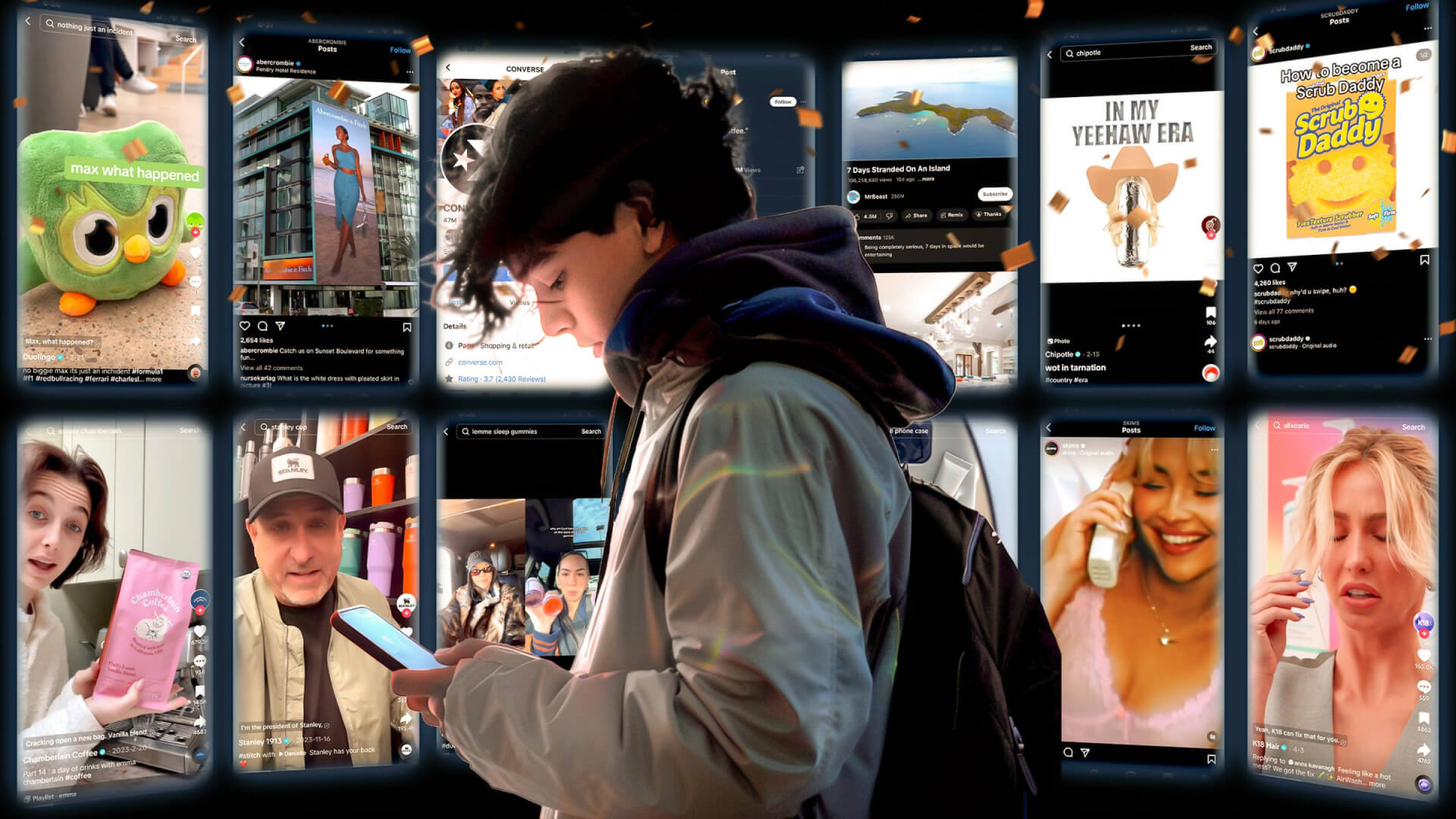
Back-to-school shopping has long been a seasonal staple. But in 2025, it’s become a prism through which evolving consumer dynamics, especially among Gen Alpha and Gen Z, come into sharp focus. It’s no longer about pencils and polos. It’s about digital discovery, co-purchasing power, and identity-driven consumption.
The Rise of #SchoolSupplies Across All Social Channels
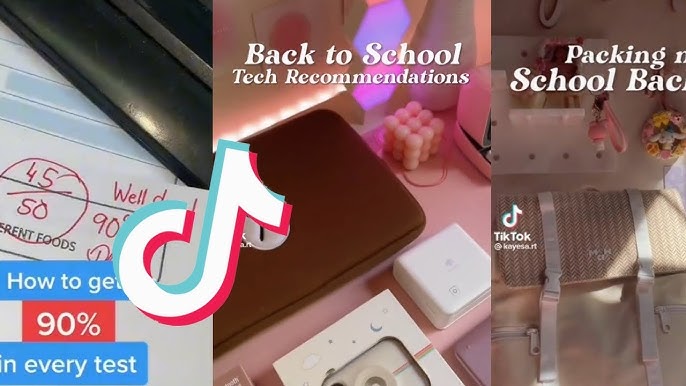
*▲Back-to-school Social Trend, Source: Youtube Channel @TikTok Life*
On TikTok, the hashtags related to #SchoolSupplies have racked up more than 3.8 billion views across 283,000+ posts, with tween creators posting stylized “What’s in My Backpack” tours that rival beauty influencer unboxings. A sleek highlighter set in pastel tones, a Japanese-imported mechanical pencil, or a “minimalist academic planner” now hold social cachet among Gen Alpha the way Trapper Keepers once did for Millennials.
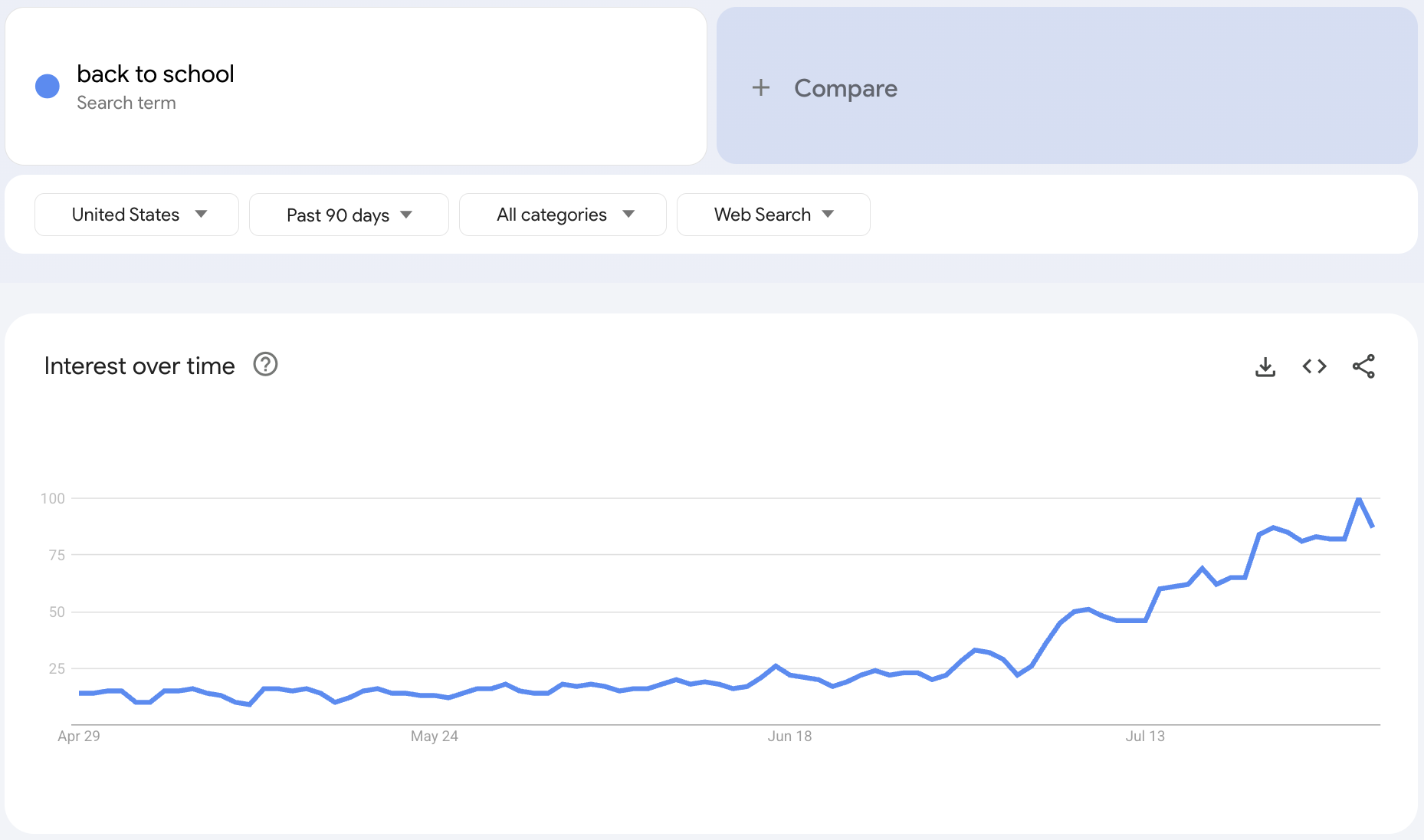
*▲Source: Google Trends*
Across online retailers, “Back-to-School Bundles” are trending, easily assembled kits tailored to grade level or lifestyle. Searches for back-to-school supplies have increased by 260% in the past month. Shopify merchants report that curated BTS bundles typically outperform individual items in conversion rates by double digits, reflecting consumers’ preference for convenient, ready-made shopping solutions during busy seasons.
For time-starved parents, the promise is clear: less mental load, more done-for-you. On Pinterest, searches for “dream backpacks” and “school supplies aesthetic” have climbed steadily for three consecutive seasons. And increasingly, parents aren’t the only ones clicking ‘buy.’
Who’s Really Clicking ‘Buy’? A Shift in Household Power
*▲Source: UCF Today*
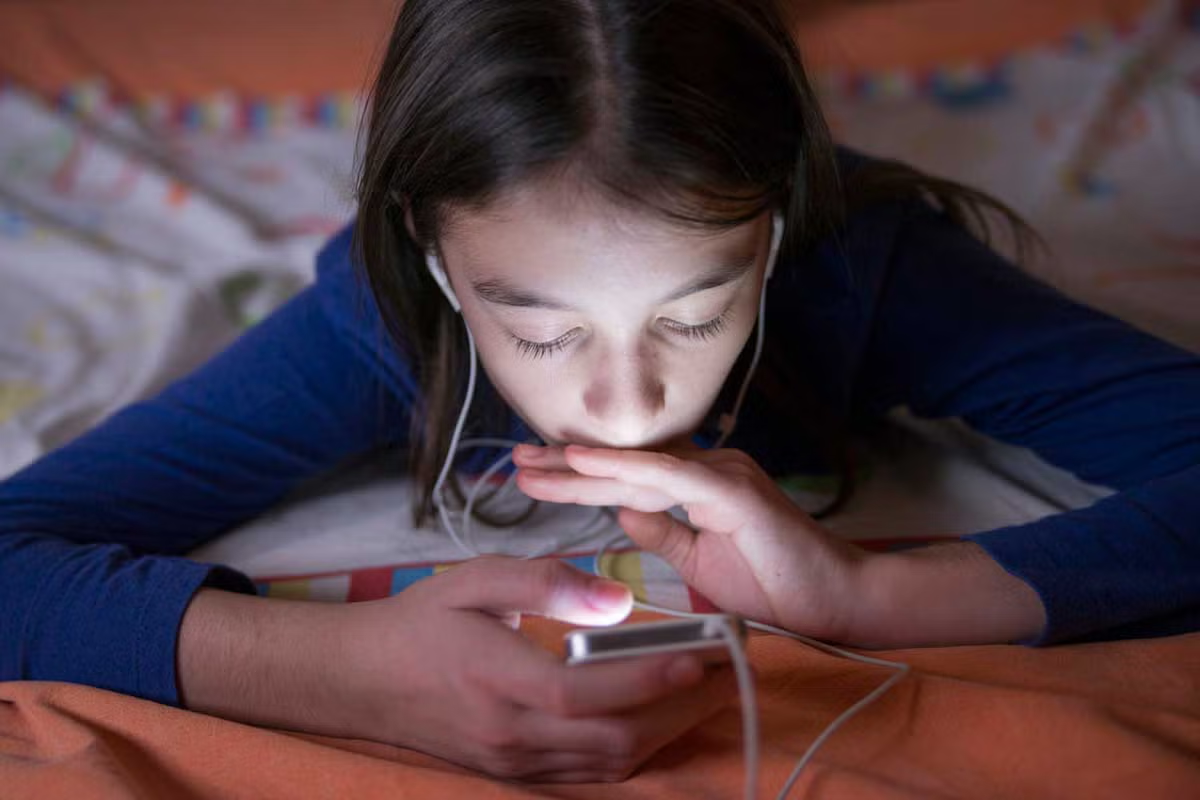
If back-to-school shopping was once the exclusive domain of parents wielding lists and red pens, 2025 is telling a different story: children—especially those under 14—are more than just influencers. They’re becoming co-decision-makers. And in some households, the ones pressing “checkout.” A 2024 HostingAdvice survey found that over 70% of Gen Alpha children (ages 7–14) ask their parents to purchase items they’ve seen online at least once a week, with 28% making such requests daily.
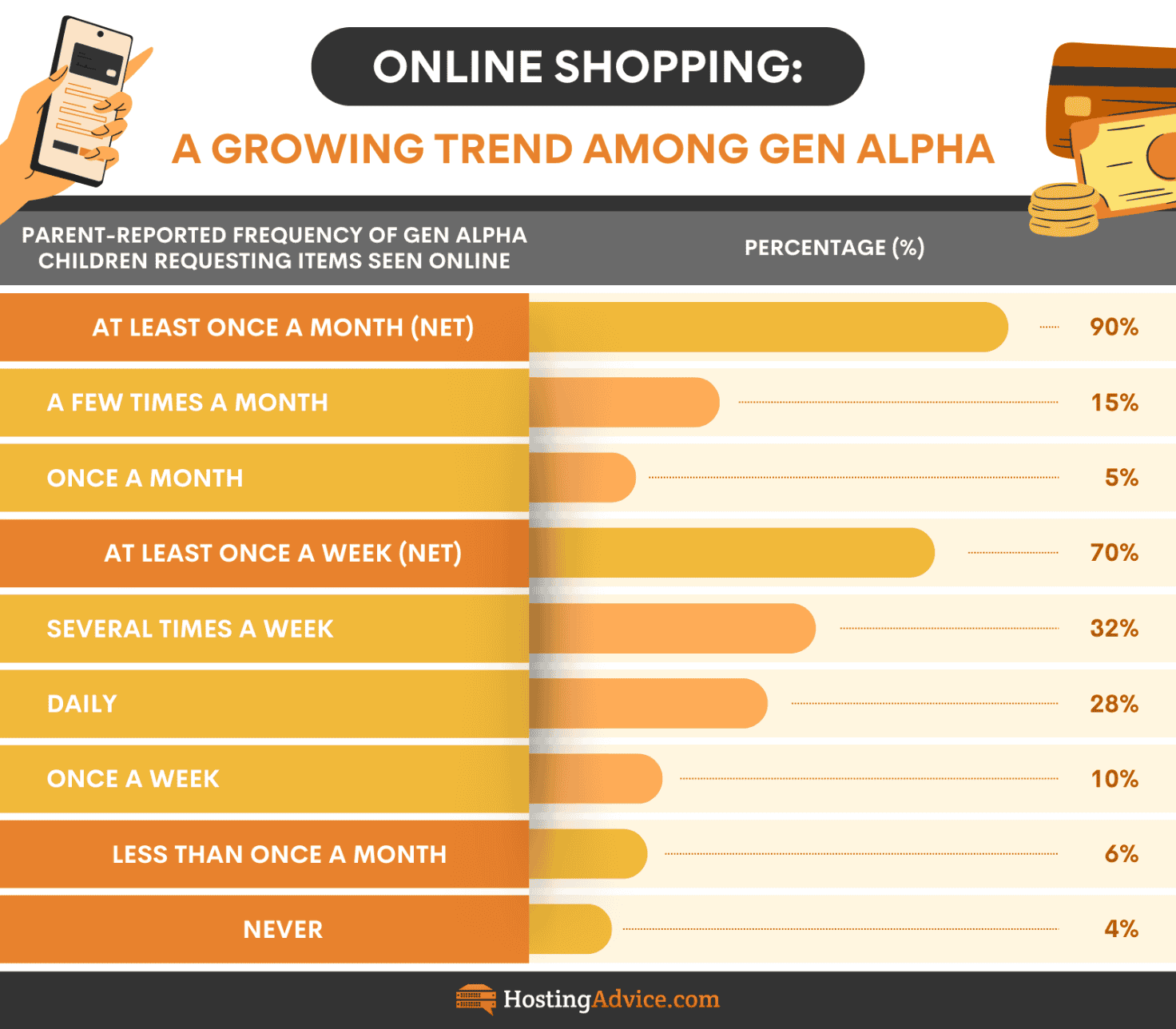
*▲Source: HostingAdvice*
This isn’t just passive influence. It’s platform-enabled participation. On Amazon, tools like “household profiles” allow children to save items for later approval. On Pinterest, shared boards serve as curated mood boards for shopping collaboration.
It’s also worth noting that the line between “kid” and “consumer” is fuzzier than ever. Children now grow up in a world where unboxing videos, TikTok product demos, and affiliate-linked reviews are part of their media diet. They don’t just consume content but absorb pricing, features, and language that drives conversion.
This behavior is already reshaping marketing strategies. Brands that once focused on persuading parents now need to win over the child first, or at least keep them in the conversation. Because more and more, when a BTS purchase lands in the cart, it’s been through more than one layer of digital negotiation.
We Didn’t Forget the College Students

*▲Source: New York Post*
If younger students are curating pencil cases, college students are curating their lives. At the college level, back-to-school shopping is no longer a perfunctory stop at Target before move-in weekend. For Gen Z students heading to campus—and the growing number of older Gen Alpha just beginning their university journeys—shopping for school is deeply intertwined with identity, independence, and digital aesthetics.
“I wanted a space that made me feel like I had my rhythm.” Sentiment like this is shaping a new kind of “dorm economy”. Pinterest reports that each summer, “dorm inspo” boards spike by over 60%. Searches for “productive desk setups,” “dorm self-care stations,” and “quiet luxury college essentials” have all grown sharply since 2023. The purchasing behaviour for them in this season is less about survival and more about aspiration.
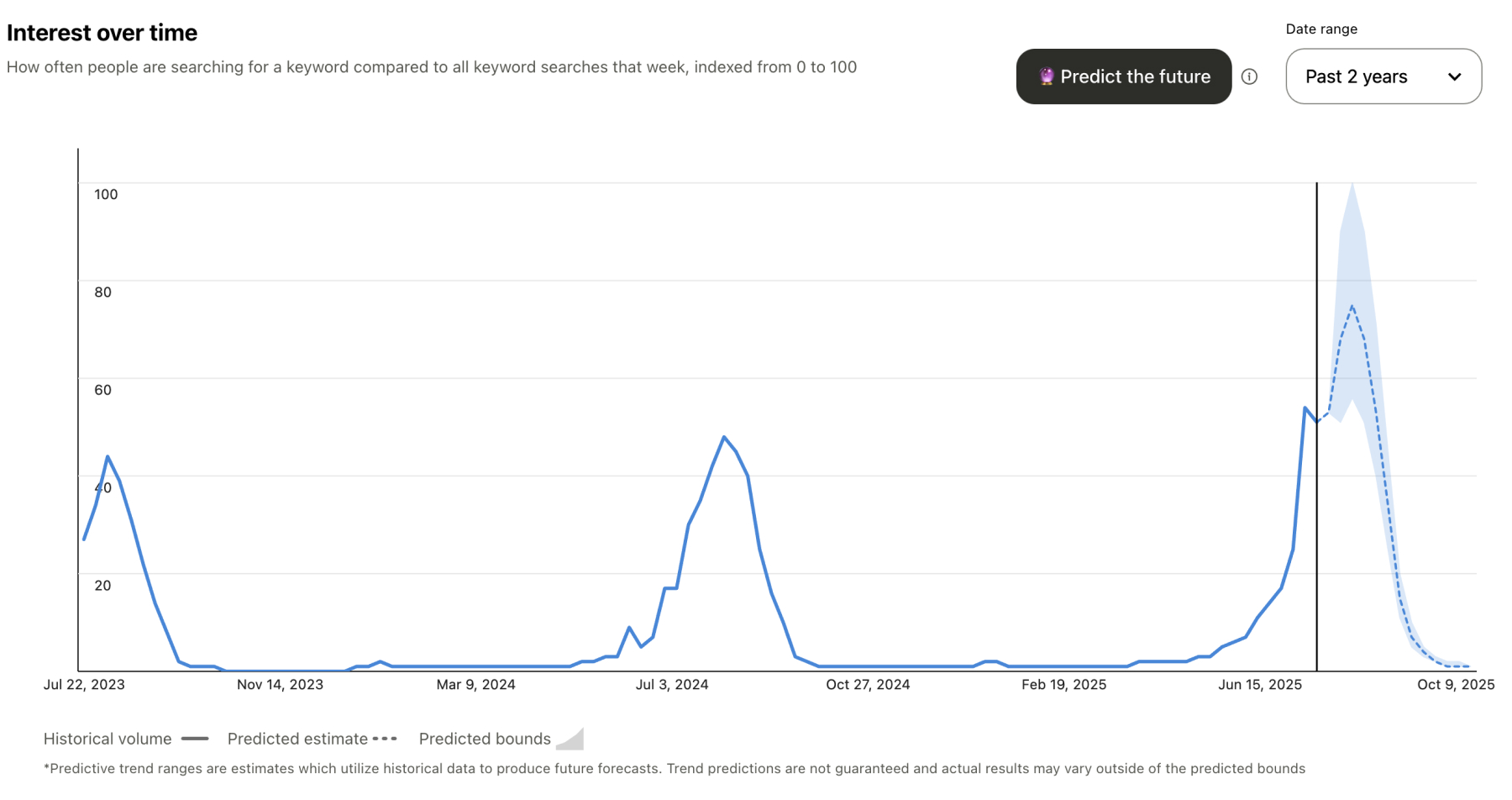
*▲Source: Pinterest Trend*
Growing together is the fact that they’re doing it on their terms. While parents often still foot the bill, Gen Z is conducting research across multiple platforms, comparing dorm hacks on TikTok, reading Reddit threads on compact appliances, and watching YouTube vlogs of “Move-in Day Survival Kits.”
In 2024, Deloitte finds that 56% of Gen Z say social media content (UGC or influencer content) is more relevant to them than traditional TV or streaming, and that 63% of Gen Z cite social media ads or product reviews as influential purchase drivers. They are deliberate, even if casual in tone. They’re also less loyal to brands and more loyal to design language, peer reviews, and influencer authenticity.
Despite these aspirations, affordability remains a constant concern. Student debt, rising tuition, and inflation have made cost-benefit scrutiny sharper. According to a 2025 survey by Student Beans, 65% of college students say they look for the “best version at the lowest justifiable price.” This has also made secondhand marketplaces, refurbished electronics, and modular or stackable items especially popular. But quality is still key.
*▲Student Targeted Coupon Code Web, Source: UNiDAYS*
In effect, the college consumer is developing a hybrid mindset: premium taste with price sensitivity. And brands that can deliver both, or offer smart upsell logic (e.g., buy a mini fridge, add a water filter), are capturing higher-order trust.
Discovery Is Visual, Social, and Algorithm-Driven
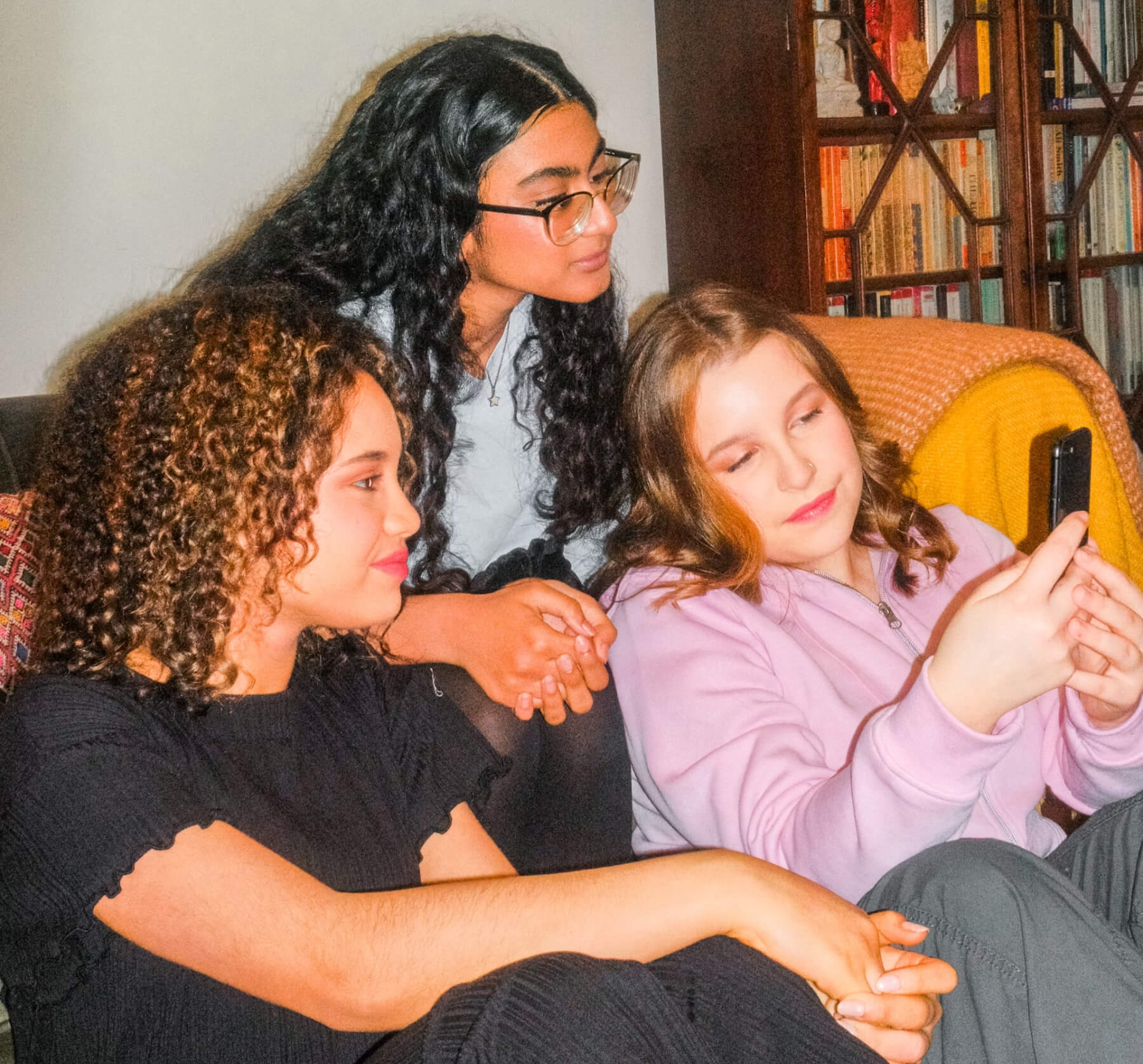
*▲Source: weareluna*
Search habits have shifted decisively—and marketers must keep up. In previous years, parents might have searched “best backpacks for school” on Google or browsed a store’s site directly. Today, that same journey starts elsewhere. Gen Z and Gen Alpha are shaping a new path to purchase—one that flows through TikTok For You pages, Pinterest moodboards, and creator recs on YouTube.
According to a 2024 study by Google’s own VP of Knowledge & Information, nearly 40% of Gen Z prefer TikTok or Instagram over Google for search-like behaviors. Pinterest has become the dominant tool for organizing ideas, with BTS-related searches for “aesthetic school supplies,” “planner setup,” and “study space inspiration” each growing over 50% YoY.
Voice-assisted search is also entering the mix. In smart-speaker-enabled households, younger children now initiate shopping conversations through Alexa or Google Assistant. Queries like “What’s a good backpack for school?” or “Cool lunchboxes for kids” are early touchpoints. It’s subtle, but it reflects a broader trend: younger consumers are discovering, not searching. They don’t want a list of links; they want a product already filtered through relevance, aesthetic, and social proof.
And social proof matters more than ever. A creator’s 30-second TikTok can outweigh a five-star review or SEO-optimized page. Products that go viral—like customizable pencil cases or modular desk organizers—often sell out within hours. Discovery is now tightly intertwined with trend velocity.
More than ever, this season is a reflection of our relationship with money, with time, with technology, and with each other. For consumers, it’s about balancing budgets and boundaries. For students, it’s about identity and independence. For marketers, it’s a brief window to meet both where they are and anticipate where they’re going. Because if back-to-school used to be about being prepared, in 2025, it’s about being understood.